Sections
- The symptom overlap is almost total, which is the whole problem
- How to actually diagnose each one
- The differential almost nobody mentions: sleep apnea, alcohol, deconditioning
- What’s nice to hear about all this
- What to do when both are actually real
- The low T clinic pattern, and why I keep flagging it
Guys come in convinced they have low T when they’re actually depressed, and other guys come in convinced they’re depressed when their testosterone is in the basement. The two conditions wear each other’s clothes and the symptom list overlaps almost completely… fatigue, low libido, flat mood, trouble concentrating, sleep that doesn’t restore anything, strength gains stalled, motivation gone, the gym membership getting auto-charged for the eighth straight month nobody used it.

You can’t tell which one you’ve got by reading the symptom checklist, nobody can. The differential is genuinely hard, and the loudest part of the medical system about all this (the men’s health clinic with the highway billboard, the chrome website, the shot pricing right on the homepage) has a financial reason to push you in one direction regardless of what’s actually going on. The business model requires that you start the medication and keep paying for it, and honestly the business model is very good at what it does.
The symptom overlap is almost total, which is the whole problem
If you write out the textbook symptoms of major depression next to the textbook symptoms of low T, the lists look like somebody photocopied one and changed the header. Both produce fatigue that sleep doesn’t fix, both crater libido, both flatten mood, both wreck concentration, both can cause the kind of irritability your wife notices before you do. Both can show up as the guy who used to be in the gym four days a week and now hasn’t been in two months and tells himself it’s just a busy season.
The small differences are real but they’re soft. Depression tends to bring more cognitive symptoms… guilt, hopelessness, feeling worthless, sometimes intrusive thoughts about not being around. Low T tends to bring more physical stuff, including loss of morning erections specifically, decreased muscle mass over time, a softening of body composition you can see in the mirror but can’t quite point at. The catch is that plenty of depressed guys lose morning erections and plenty of low T guys feel hopeless, so the overlap is the reason you actually have to test, not guess. Guessing has a coin-flip success rate, and you’re paying a lot more than a coin to find out.
How to actually diagnose each one
Testosterone first, because the test is simple and clinics screw it up constantly. You want a total testosterone level, drawn fasting, before 10 AM. Testosterone has a daily cycle and it peaks in the morning, so a level drawn at 3 PM on a Tuesday after a Chipotle bowl is functionally worthless. You also want it drawn on two separate mornings, because individual levels bounce around enough that one number isn’t a diagnosis, it’s a snapshot. Normal range is roughly 300 to 1000 ng/dL depending on the lab, and the diagnosis of low T (hypogonadism, the medical word for it) requires consistently low numbers, usually under 300, plus the actual symptoms. Just having a 380 doesn’t mean you need a prescription, it means you’re on the lower end of normal.
If the total is low or borderline, the next labs are free testosterone, SHBG, LH, FSH, prolactin, and a CBC. That whole panel tells you whether the problem is in the testicles or upstream in the pituitary (the master gland at the base of the brain that signals everything below it), which actually matters for treatment and for ruling out the rare causes like pituitary tumors. Any clinic that hands you a prescription after one random afternoon draw is practicing sales, not medicine, and if your buddy got that exact experience and now has a recurring credit card charge for cypionate (the long acting injectable form of testosterone), that’s what happened to him.
A real testosterone workup starts before the prescription, not after the monthly billing is set up.
For depression, the screening tool is the PHQ-9. Nine questions, takes two minutes, the data on it’s solid going back decades. A score above 10 means probable depression, above 15 is moderate to severe (Kroenke et al. 2001). It’s free, it’s online, your primary care doctor should be handing it to you at every annual visit and most aren’t. The PHQ-9 won’t catch everything, it misses some of the atypical versions and the irritable-male variety especially, but it’s the right starting point. Pair it with an honest conversation with somebody trained and you’ll usually get a workable answer in one or two visits.
A clinic charging you two hundred a month for testosterone without ever screening for depression isn’t on your team.

The differential almost nobody mentions: sleep apnea, alcohol, deconditioning
Before you land on either diagnosis, the other three things eating men’s energy in 2026 need to be ruled out, because they cause every symptom on the list and they’re vastly more common than either low T or clinical depression in guys in their forties and fifties.
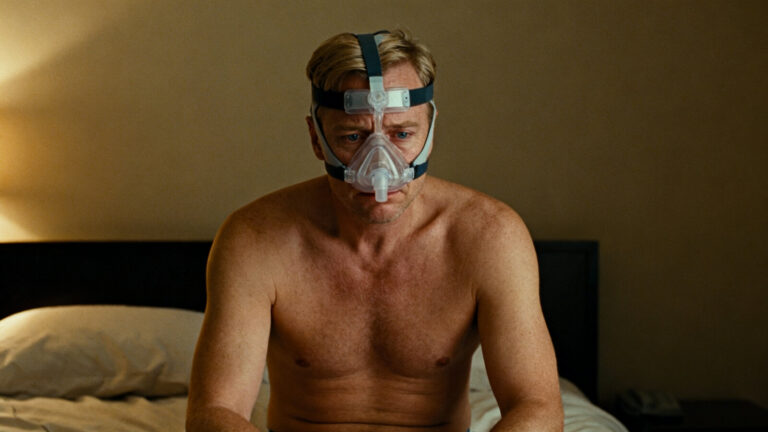
Sleep apnea is the big one. Untreated obstructive apnea (where you stop breathing repeatedly through the night because your airway collapses) tanks testosterone, destroys daytime energy, ruins mood, kills libido, and wrecks concentration. The kind of guy who comes in convinced he needs prescription testosterone is often a guy who snores loud enough to wake the wife, sleeps eight hours, and still wakes up exhausted. Send him for a sleep study before touching his testosterone and a lot of the time the apnea is severe… six weeks on CPAP and his energy comes back, his testosterone climbs on its own without anybody touching it, and the borderline depression screen drops to single digits. He needed to breathe at night. Worth knowing also that starting prescription testosterone before you’ve ruled out apnea can make the apnea worse, which is exactly the kind of detail the highway-billboard clinic isn’t going to mention.
Alcohol is second. Four drinks a night suppresses testosterone, fragments sleep, and reliably produces a depressive picture. Every clinician I know has seen the guy who insists his three beers a night are nothing and is surprised when the symptoms lift after he cuts down to one. The drinks aren’t nothing, they almost never were.
Deconditioning is third, and it’s the one nobody wants to hear. If you stopped lifting and stopped doing cardio two years ago, your testosterone dropped, your mood dropped, your sleep got worse, and your body composition changed in directions you don’t love. The treatment for that’s a barbell and a pair of running shoes, not a vial. Which I realize is annoying to hear because the barbell takes time and the shot doesn’t, but if we’re being honest, time is the thing the shot doesn’t actually save you. It just changes what you’re spending the time on.
What’s nice to hear about all this
If you do the workup honestly and one of the simpler things turns out to be the answer, your testosterone often comes back up on its own and you don’t need lifelong injections. The guy who treats his apnea, cuts the drinking, and starts lifting again three days a week is going to feel like a different person in four months, and his testosterone number is going to follow the rest of him up. That’s a much better outcome than going on a medication you’re going to be on forever, and it’s the outcome the workup is actually trying to find. The workup isn’t gatekeeping… it’s the difference between treating something we can fix and slapping a band-aid on a bullet hole.

What to do when both are actually real
Sometimes both diagnoses are true. Genuinely low testosterone, a 240 confirmed on two morning draws, not a 410 that some clinic called “suboptimal,” plus a PHQ-9 of 16. In that case you treat both. Prescription testosterone alone here usually produces partial improvement and a lot of guys feel cheated when they’re still depressed three months in. Antidepressant alone produces partial improvement and the libido and energy stay flat. The combination, done carefully, usually works.
Order matters less than people think. I’ll usually start with whichever is more functionally impairing… if the guy can’t get out of bed, the antidepressant goes first because sertraline at 50 to 100mg or escitalopram at 10 to 20mg starts lifting the floor in three to four weeks. If the labs are clearly hypogonadal and the depression is mild to moderate, prescription testosterone first is reasonable, and you reassess at eight to twelve weeks once levels are stable. What you don’t do is start both on the same day, because then you have no idea which one did what, and that’s a frustration the patient will be feeling six months from now.
Worth saying out loud here too: if you’ve been worked up, the labs back the diagnosis, and you want the prescription, you get the prescription. I’m a provider, not a parent. My job is to give you the honest take and the trade offs, your job is to make the call. I hardly ever say no, the most I do is make it a disapproving yes where you walk out with the script plus a clear sense of what I’d watch for and why I had reservations. The appointment isn’t mine, it’s yours.
Morning total T, twice
Fasting, before 10 AM, on two separate days. One afternoon draw isn’t a diagnosis. Add free T, SHBG, LH, FSH, prolactin if the total is low or borderline.
PHQ-9, honestly
Nine questions, two minutes. Above 10 is probable depression, above 15 is moderate to severe. Don’t game it to look better, the number is for you.
Sleep, alcohol, training
Sleep study if you snore. Honest count of weekly drinks. Honest count of weekly workouts. These three explain more low energy guys than either of the diagnoses we’re trying to differentiate.

The low T clinic pattern, and why I keep flagging it
The men’s health clinic model that’s exploded over the last decade has a predictable shape. You fill out a form, they draw one set of labs (often in the afternoon), they tell you your levels are “suboptimal” regardless of where the numbers actually fell, because “suboptimal” isn’t a medical term and means whatever the clinic wants it to mean. They prescribe testosterone cypionate, often 200mg weekly, sometimes with hCG and an aromatase inhibitor bundled in. The monthly subscription runs $150 to $400. Nobody screens for depression, nobody asks about sleep, nobody asks about alcohol, nobody asks whether you’ve been to a gym in the last year.
Some of these clinics are run by good clinicians doing it right. Most aren’t. The pattern that comes up is the guy who’s been on prescription testosterone for two years from one of these places, feels marginally better than baseline, has a hematocrit creeping toward 54 (the percentage of red blood cells in his blood, which testosterone juices up, and which past 54 starts producing real stroke and clot risk), has never had a prostate exam, and still has the same low mood he came in with because nobody ever asked. The prescription didn’t fix him because the prescription wasn’t the answer. The clinic that prescribed it isn’t going to give him back the two years either.
The legitimate version of testosterone replacement, prescribed by a doc who knows the criteria, treats real low T, and in the genuinely deficient guy it works. The big NIH testosterone trials in older men with confirmed low levels showed real gains in sexual function and a modest lift in mood when you brought the number from low back up into the normal range, so this isn’t snake oil when it’s aimed at the right man. The catch is what happens when you aim it at the average tired guy whose level was never actually low, and there the picture goes flat fast. The 2024 Cochrane review of testosterone for men coming in with sexual complaints found it probably does little to nothing for erectile function or sexual quality of life compared to a placebo, which is exactly the broad population the highway-billboard clinic is selling to. So the version sold by that clinic treats whatever symptom you walked in with, and a lot of the time it’s the wrong tool. Which… can you say that out loud as a prescriber? Probably you can, and more people should, because plenty of guys have been sold a treatment for a problem they don’t have while the actual problem keeps cooking underneath.
If you’re tired, flat, libido is gone, can’t focus, get the testosterone checked properly and get the depression screened properly. Both, on the same visit, in the same workup. If your clinician only wants to check one, find a different clinician. The body doesn’t separate hormones from mood and neither should the doc you’re paying to figure this out.