Sections
Think about the last time a kid came home from practice and something was just different. Quieter. More settled.
Not because sports fix everything. They don’t. A hard coach can do damage. A bad team culture can make things worse. Some kids hate organized sports and do better in other kinds of movement altogether. But when the fit is right, sports do something important for a developing mind that’s easy to underestimate.
They give kids a place to feel frustrated, fall short, get back up, and try again tomorrow, all inside a structure that actually expects something of them.
And that’s not a small thing, even if it looks like just another practice on a Tuesday night.

What’s actually happening in those moments
They’re learning it in moments. In the missed shot. In the dropped pass. In the race that hurts halfway through. In the practice they didn’t want to go to, and the part of them that still had to show up anyway.
Kids aren’t being difficult when they fall apart under pressure. Their brains are still building the systems that handle all of that, the planning, the impulse control, the ability to reset. And sports, when they’re healthy, give those systems a place to get used over and over again.
A kid learns what it feels like to get overwhelmed and keep going. To make a mistake and not disappear. To hear correction without collapsing. To work with other people even when their own mood isn’t ideal. Those aren’t small lessons. A lot of adults are still trying to learn them.
And the lesson doesn’t stay on the field. The kid who learns how to regroup after a bad inning is also learning something about math homework, about friendships, about the first hard job, about what happens when life doesn’t immediately go the way they hoped. Repetition matters here. So does the chance to feel something hard and not have the whole moment end just because the feeling showed up.
Different sports shape different strengths, but the core lesson is similar
Football has a way of making accountability immediate. You miss your assignment, and everybody feels it. Basketball asks a kid to reset emotionally in real time, over and over. Soccer builds something quieter: the patience to stay engaged even when the ball is nowhere near you. Cross country teaches something else entirely, how to be alone with discomfort without panicking.
None of that’s really about sports. It’s about learning that pressure doesn’t have to mean panic, and that’s a lesson that follows them everywhere.
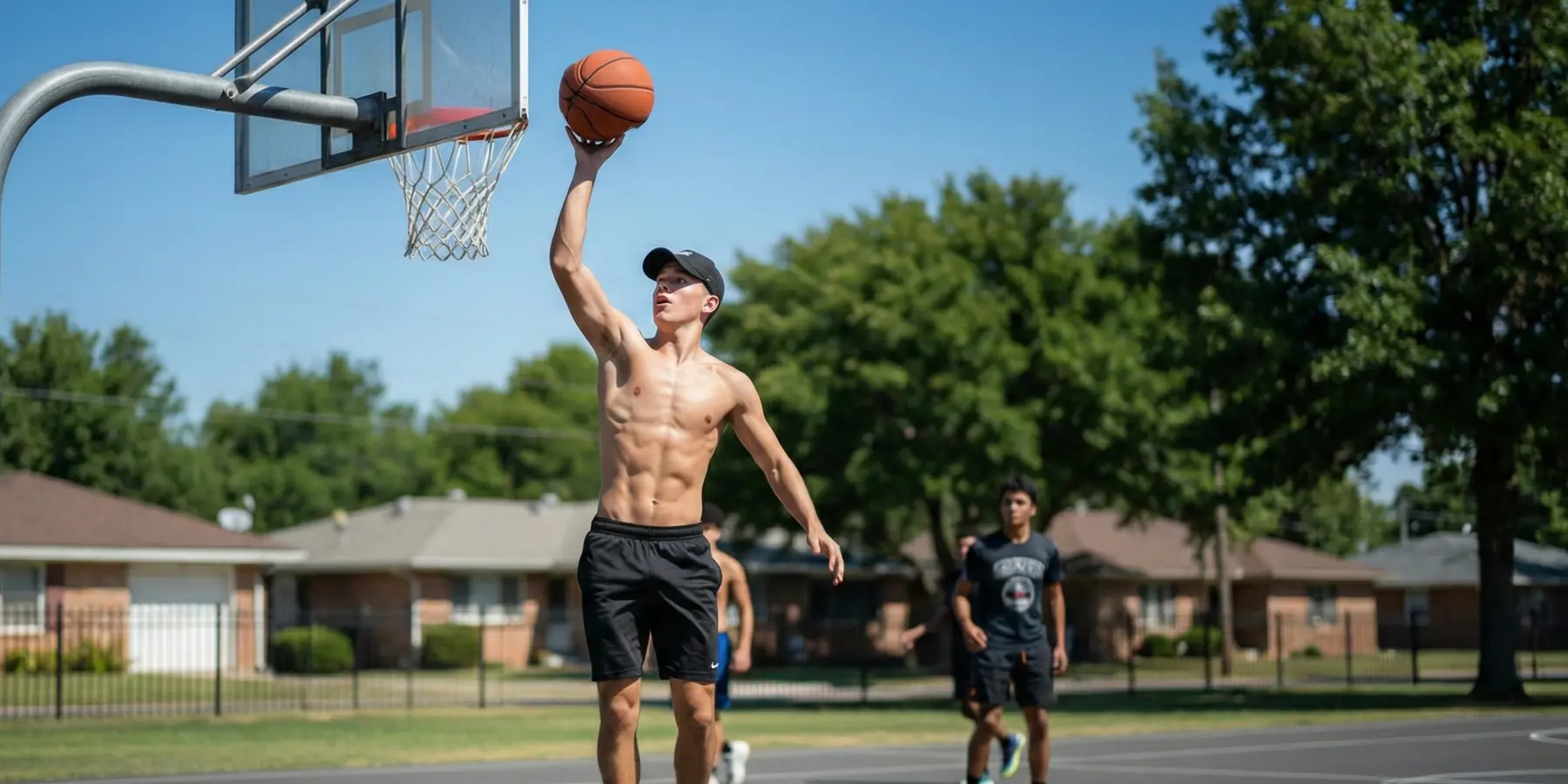
What looks like play from the outside is often a kid learning, rep by rep, that they can handle more than they thought.
What parents usually notice
A lot of parents notice this without always having language for it. Their kid comes home from practice tired but steadier. More settled. Less combustible. Or maybe the opposite happens. The sport becomes one more place where the child feels shamed, panicked, or chronically behind, and the parent can feel the difference there too.
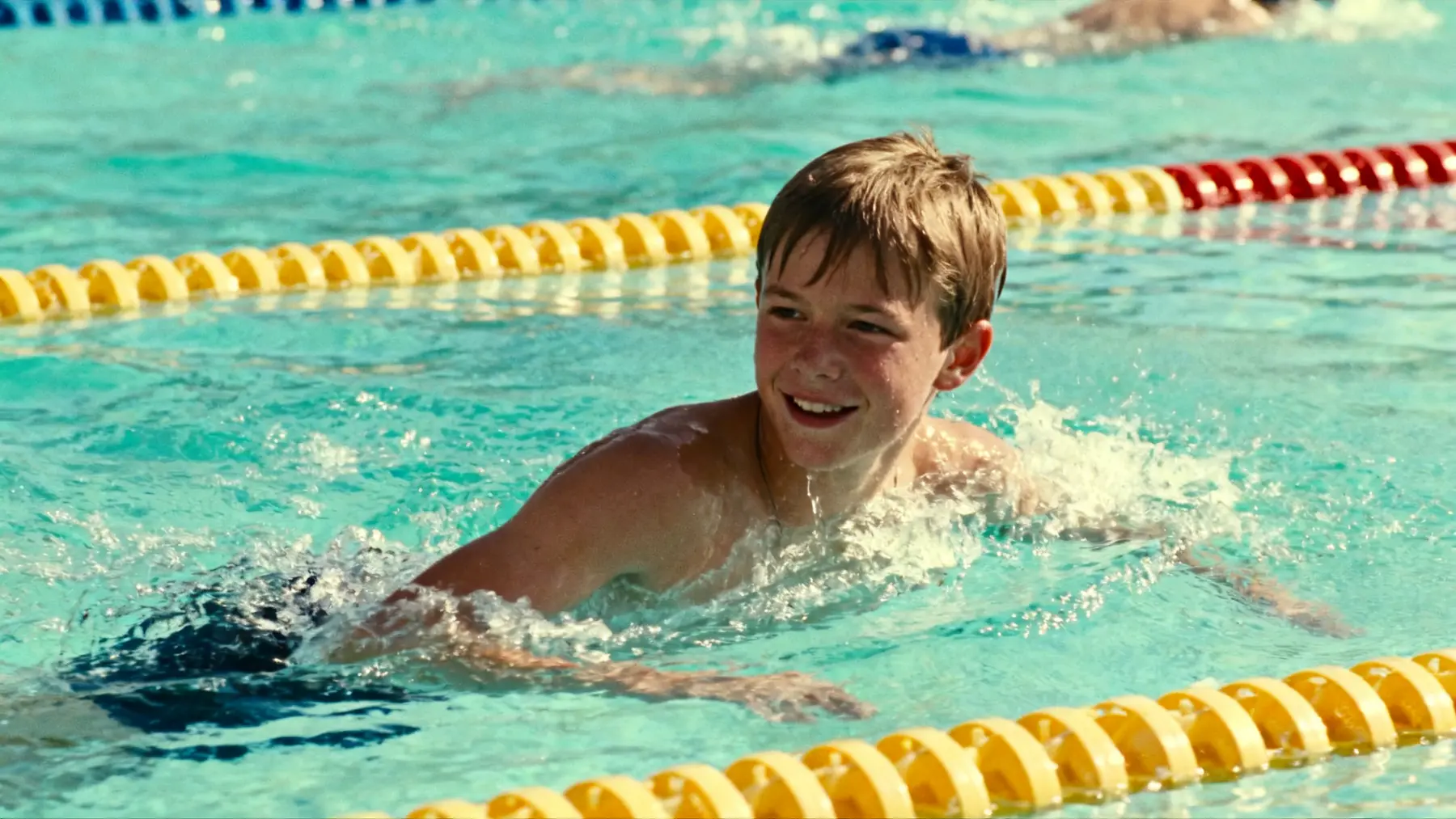
That’s the part worth paying attention to. The point isn’t to force every kid into the same mold or pretend every team is going to feel safe for every kid. The point is to notice whether the activity is helping your child build confidence, frustration tolerance, connection, and a more durable sense of self, or whether it’s just adding stress.
Parents can usually feel the difference before they know how to describe it. One kid comes home tired but proud. Another comes home raw, ashamed, and smaller than they were when they left. One environment teaches effort and recovery. Another teaches fear and performance. And those two things land very differently in a developing kid. It’s worth being honest about which one your child is walking into.
Because the real benefit isn’t trophies. It isn’t college scholarships. It isn’t whether they end up varsity anything.
It’s whether they’re learning that a feeling doesn’t have to be the last word. That they can be nervous and still move. Disappointed and still recover. Frustrated and still stay in the game.

Where to start if you’re trying to help
If your child is struggling, start smaller than you think. Look for the activity that gives them challenge without humiliation, structure without fear, and enough repetition that they start to trust themselves a little. Not because it solves everything. Just because it gives the developing mind something honest to do with pressure, energy, and emotion.
Sometimes that starts with one practice a week. Sometimes it starts with quitting the team that’s all pressure and no support. Sometimes it starts with a coach who knows how to correct without humiliating. Sometimes it starts with letting your kid try the thing that actually fits them instead of the thing that looks best from the outside. None of that’s small. It’s how you figure out where growth can actually happen.
And if the first sport is a bad fit, that doesn’t mean the whole idea is wrong. It may just mean the setting, the coach, the culture, or the demands were off. Sometimes what helps one kid come alive makes another one shut down.
And that’s usually enough of a start. Not a fix. Just a place where they get to find out what they’re made of, one practice at a time.
How to use this page
Children, Sports, and the Developing Mind should be used as a way to think more clearly, not as a script to copy onto your own life. Public mental health writing can clarify patterns. It cannot see your history, your risk, or the parts you leave out.
What to track
Track what actually changes in daily life: sleep, work, relationships, avoidance, irritability, substances, routines, and the moments where the old pattern still wins. Insight is useful only when it starts changing behavior.
What to bring into care
If the article makes something click, turn it into a concrete next question. What is the pattern, what has already been tried, what made it better or worse, and what would be different enough to call progress.
What would make it a poor fit
A poor fit is any takeaway that becomes a costume instead of a change. If the idea helps you sound more self-aware but nothing in the week changes, it may be interesting without being useful. The point is not to collect better language for the same stuck place.
What counts as progress
Progress should be visible in behavior. A shorter fight, a cleaner boundary, an earlier apology, a better sleep pattern, a call made before things collapse, or one less loop around the same old argument. Small counts if it is real and repeatable.
Why timing matters
Timing matters too. The first useful change is often small and unglamorous, which is why it gets missed. Look for the repeatable shift, not the dramatic moment.
When the plan should change
The takeaway from Children, Sports, and the Developing Mind should change when it starts making you more certain but not more honest. Good mental health writing should open a cleaner question, not hand you a personality costume or a new excuse. If the idea does not change a conversation, a boundary, a habit, a repair, or the next step into care, it may be interesting without being useful yet.
How to check whether it is working
A useful checkpoint is small enough to test this week. What will you do differently. What moment usually pulls you back into the old pattern. What would someone close to you notice if the idea was actually working. If the answer lives only in your head, the page may have given language before it gave you a workable next step.
What this page cannot do
Public essays cannot see the private stakes. They do not know the relationship, the danger, the diagnosis, the substance use, the legal pressure, or the history that changes the meaning of a sentence. Use the page to think more clearly, then bring the hard parts back to a real conversation when the pattern is bigger than one article can hold.