A practical guide to treating panic disorder with CBT, interoceptive exposure, medication, and fewer rescue rituals.
Sections
- What you’re actually treating
- The tool that actually works
- Medication can be useful
- What to track between sessions
- Where medication fits without taking over
- What a real exposure ladder looks like
- What makes panic treatment stall
- When to tighten the medical review
- How support people can help without becoming the rescue plan
Panic treatment has to be practical because panic doesn’t care how much insight you have. A panic attack can make a smart guy check his pulse forty times, leave a meeting, pull off the highway, or sit in an ER convinced someone missed the real problem. The fear feels medical and immediate, so a treatment plan has to teach the body, not just the intellect.
First, you still use medical judgment. Chest pain, fainting, a new arrhythmia, stimulant use, thyroid problems, asthma, medication effects, and new neurologic symptoms deserve attention when the story fits. Diagnosing panic means you’ve ruled out the stuff that needs ruling out, not that every chest twinge from here on is nothing.

What you’re actually treating
Once the pattern is clear, the target changes. You’re not trying to prevent every adrenaline surge, you’re trying to stop fearing it. A racing heart is just a racing heart, dizziness is just dizziness, and your body is running a drill it doesn’t need to run. The body has to learn that these sensations can rise, peak, and pass without an emergency move from you.
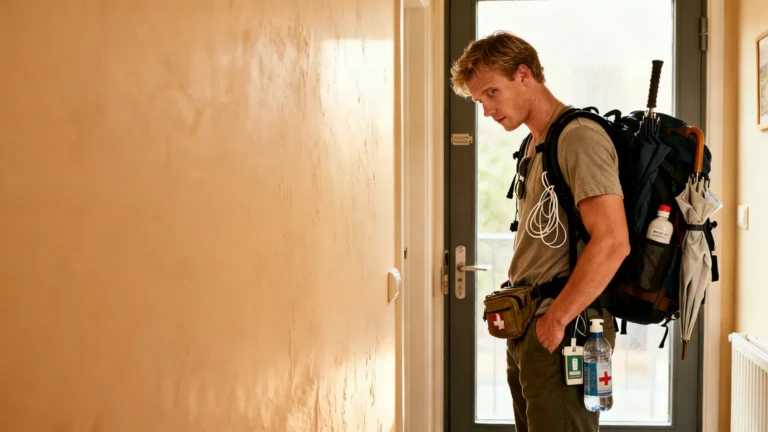
That’s why the best panic treatment isn’t built around escape. If every attack ends with bolting, calling someone, checking your pulse, taking a rescue pill, or scanning WebMD until three in the morning, the brain keeps learning that panic was dangerous and the rescue saved you, so the body has to stay with the alarm long enough for it to burn out on its own.
The tool that actually works
Interoceptive exposure means practicing the body sensations on purpose. You spin to feel dizzy. You run in place to feel your heart pound. You breathe in a way that brings on air hunger. You sit with heat, tingling, tightness, and the urge to escape while nothing catastrophic happens.
Yeah, it sounds like a bad time, and it kind of is, but you know what’s coming and why, so it doesn’t carry the same threat. Then you repeat it until the sensation stops carrying the same threat label. Reassurance doesn’t do much here, your body has to run the drill and land safely before it stops treating the alarm as real.
If you always escape at the peak, the escape gets credit for ending something that was already going to end.
Medication can be useful
SSRIs and SNRIs are where most prescribers start with panic disorder. They aren’t rescue drugs. They turn the volume down over time, and for some guys that’s what makes it possible to actually practice the sensations instead of muscling through every one. The first couple of weeks can feel rough for a panic sensitive person, so a decent prescriber warns you about that upfront instead of acting surprised when you call.
Benzodiazepines are more complicated. They can shut panic down fast, which is why people love them. The problem is that recovery asks the brain to learn the attack was survivable without rescue. If the rescue pill becomes the proof of safety, the loop stays alive. If the rescue pill becomes the routine, the brain never learns the attack was survivable without it.

A real plan lists the attacks, the sensations that set them off, the places you’ve been avoiding, and all the little rituals you do to feel safer, then makes you practice your way through all of it. Checking your pulse, bolting, rerouting around the highway, same loop, different flavor. All of it keeps the brain convinced the rescue saved you.
What to track between sessions
Panic treatment gets clearer when you track behavior, not just fear. Did you drive the route you’ve been avoiding? Stand in the grocery line without leaving? Let your heart race without checking your pulse? Stay in the meeting even when heat and dizziness showed up? Those are the reps that matter.
The mistake is treating panic like a mystery feeling that has to disappear before life resumes. Treatment usually works the other direction. You resume pieces of life while panic is still loud, then the alarm learns that it doesn’t get to make every decision.
Where medication fits without taking over
Medication can be useful when the fear volume is so high that the patient can’t get enough reps to learn anything. SSRIs, SNRIs, beta-blockers in narrow situations, and short-term rescue meds all have different jobs. The better question isn’t “meds or therapy.” Ask whether the medication helps the patient do the work or quietly replaces the work.
If every exposure depends on a rescue pill, the brain may learn the rescue pill was the reason nothing terrible happened. That’s not the lesson we want. The better plan lowers the volume enough to practice, then lets practice become the proof.
Good panic work also names the safety behaviors that keep the loop alive: checking exits, carrying extra medication everywhere, Googling symptoms in the parking lot, asking for reassurance before every errand, or arranging life around the nearest bathroom or hospital. Those habits feel protective, but they teach the alarm that ordinary places require emergency backup. Dropping them slowly can matter as much as the exposure itself. That distinction keeps the plan honest.
What a real exposure ladder looks like
A useful exposure ladder starts with the situations panic stole, not with a vague promise to feel less anxious. Driving one exit. Standing in the checkout line. Sitting through the first ten minutes of a meeting. Walking farther from the car. Letting the heart pound after stairs without checking a pulse. The step has to be specific enough that you can tell whether you did it or negotiated your way around it.
The early reps should be winnable but honest. If the patient can only practice with a spouse in the parking lot, shrink the step, but don’t pretend the fear got tested. If the patient practices while secretly checking symptoms every thirty seconds, the drill needs cleanup. The goal’s not heroic suffering. The goal’s new learning, and new learning needs enough fear present to matter.
What makes panic treatment stall
Panic treatment stalls when the person keeps the exposure but protects the fear. Carrying rescue medication as a talisman, checking heart rate, sitting near every exit, texting for reassurance, avoiding caffeine forever, or Googling symptoms after every hard rep can keep the loop alive. From the outside it may look like progress. Inside the brain, the message still reads, “I survived because I kept the backup plan close.”
It also stalls when every bad day gets treated like a relapse. Panic recovery usually comes with spikes. The question’s whether the spike changed the plan. Did you cancel the drive, leave the store, stop exercising, or start scanning your body again? If the answer’s yes, the next appointment should adjust the exposure plan instead of just repeating reassurance.
When to tighten the medical review
Panic can coexist with real medical problems, and good treatment doesn’t ask a patient to ignore a changing body. Recheck the medical side when symptoms shift sharply, show up with exertion in a new way, include fainting, bring new neurologic signs, follow medication or stimulant changes, or don’t match the old panic pattern. That isn’t panic giving orders. That’s sane clinical hygiene.
The best plan keeps both truths in view. Don’t use endless medical reassurance to avoid panic work, and don’t use a panic diagnosis to dismiss a story that changed. Patients trust the exposure plan more when they know the medical review was careful enough to deserve trust.
How support people can help without becoming the rescue plan
Partners and family can accidentally become part of the panic loop. If every attack turns into reassurance, pulse-checking, a ride home, or a long postmortem, the patient may feel loved in the moment while the fear gets reinforced. Support should sound calm and practical: remind him of the plan, stay nearby if that was agreed on, and help him return to the rep instead of helping him escape it.
The line’s not cruelty. Nobody needs to be shamed for panic. The point’s to stop treating every alarm like proof that an emergency team has to assemble. A good support person helps the patient do the hard thing safely, then lets the win belong to the patient.
The fear may still show up. It just stops running your schedule. A guy can feel his heart pound on the highway and keep driving anyway. He can get hot in a grocery line and stay. He can notice the fear and still finish what he came to do.
The change usually looks less dramatic than people expect. It looks like reps. You go back to the places panic took away, and at some point you notice you stopped planning your whole day around the nearest exit. The first win is going back scared and finding out nothing happened. Feeling good about it comes later, if it comes at all.