Propranolol is a cardiology drug that wandered into psychiatry by accident and stayed because it does one specific thing well.
Sections
Propranolol is a heart drug that wandered into psychiatry by accident and stayed, because it does one specific thing really well. It’s a beta blocker, built back in the sixties for blood pressure and irregular heartbeats, and most regular doctors still file it under “heart stuff.” Over here it’s basically all off-label, and I reach for it constantly, because nothing else I’ve got is as good at shutting down the physical symptoms of nerves. Shaky hands before the recital, heart slamming before you stand up in court, voice cracking the second everyone looks at you… that’s the job.
Propranolol is a cardiology drug that wandered into psychiatry by accident and stayed because it does one specific thing well.
Here’s how it works in plain terms. Adrenaline is the chemical your body dumps into the bloodstream when it thinks something is about to eat you, and it’s adrenaline that makes the heart pound and the hands shake. Adrenaline has to plug into little docking spots on your heart and your blood vessels to do anything. Propranolol parks itself in those docking spots first. So your body can pump out all the adrenaline it wants, but it can’t find anywhere to plug in, and the message never gets delivered. The heart doesn’t race, the hands don’t shake, the voice holds. The physical alarm just sort of shrugs and doesn’t go off the way it usually does.
What it doesn’t do is touch the actual anxiety, and that’s the part people get wrong. You’ll still feel nervous, you’ll still have the intrusive little movie running where you blow the whole thing, the dread is fully intact… propranolol works on the body, not on the worry, which is exactly why it’s the perfect tool for some guys and useless for others. It doesn’t make you less anxious. It just stops your body from broadcasting how anxious you’re to everyone in the room, which, honestly, is most of what’s wrecking the interview anyway.
The performance anxiety case
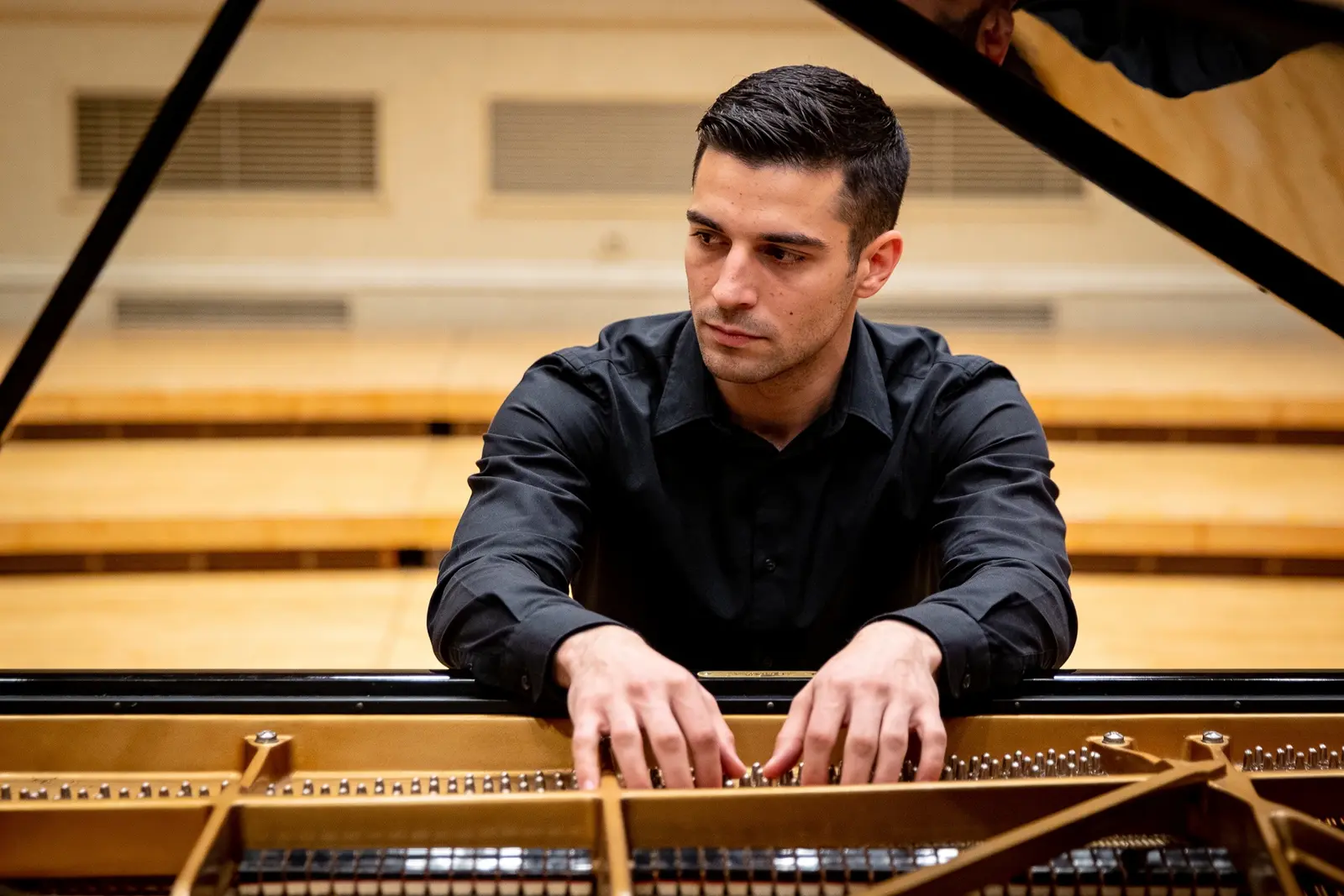
The classic crowd is musicians, and orchestra auditions are genuinely brutal. You walk in with one shot at a Mozart excerpt and your bow hand has to behave or you’re done. It’s a long-standing open secret backstage that propranolol is everywhere, and surveys of orchestral players have found a big chunk of them have tried a beta blocker for nerves at some point. It’s not cheating in any real sense, since the drug doesn’t make you play better, it just stops your nervous system from sabotaging the technique you already spent twenty years building.
Lawyers are right behind them, the closing arguments and big depositions crowd. Then public speakers, executives doing keynotes, anybody whose job is to look composed while a room full of people stares at their hands. There’s a quiet little population of TV folks and politicians who pop one before a big appearance and nobody puts it on the record. It’s the same pattern every time, guys who need to perform at their actual baseline competence while their nervous system is dead certain they’re about to be eaten by something with teeth. This is also where I send people for the modern, lower-stakes version of the same problem, the job interview, the conference talk, the first date where your heart is doing 130 sitting still. Same physical wiring, same fix, you just want the hands and the voice to stop ratting you out for forty-five minutes.

For example, say you’ve got a musician with an audition coming up who’d been on Lexapro a while for everyday anxiety. The Lexapro was handling the daily stuff fine. The audition was a different animal, and the tremor was bad enough that the bow would bounce on the string in the slow passages, which is the kind of thing that quietly ends a career. So we started him on propranolol at 10mg about ninety minutes before each audition, left the Lexapro running underneath, and only bumped him to 20mg when the bow hand still bounced a little at the lower dose. The hands behaved and he got the chair. The Lexapro was playing the long game while the propranolol just handed the hands back for the window that mattered, two different problems getting two different tools at the same time and neither one stepping on the other.
Dosing, timing, and the asthma stop sign
The as-needed dose runs anywhere from 10 to 40mg, taken 60 to 90 minutes before the event. I start most people low and work up slowly, no reason to pump anyone more full of drugs than they need to be, so I’ll usually open at 10mg and have them test it at a low-stakes rehearsal first. A small slice of people get more sleepy or wiped out than they bargained for, and the morning of an audition is a stupid time to find that out. If 10mg doesn’t fully kill the tremor, I nudge it up to 20, and 40mg usually finishes the job for the rare case that needs it. Above 40mg you don’t get much more benefit for performance nerves and you start trading into feeling kind of flat and dull, which is its own problem. The drug clears your system in about four hours for the regular kind, so the window comfortably covers a ninety-minute presentation.
A couple of off-label uses I lean on that aren’t strictly stage fright but run on the same wiring. If a guy’s ADHD stimulant is doing great things for his focus but leaving his resting heart rate parked at a jittery 100-plus, a small dose of propranolol takes the edge off that racing-heart feeling without messing with the stimulant’s actual job. I’ll cop to knowing that one from the inside: I take ADHD meds too, and there are afternoons they’ll have my heart doing more than I’d like. Same logic for the anxiety-insomnia guy whose body won’t power down at night, the one lying there with a pounding chest while his brain runs the day’s greatest-hits reel. It won’t quiet the brain, but it’ll turn the volume down on the physical alarm, which for some people is the whole thing keeping them awake.
Side effects are usually mild. Some guys get cold hands and feet. Mild fatigue. Vivid dreams if it’s taken close to bedtime, every so often. Blood pressure can drop more than you’d want in somebody who already runs low, so I check a baseline reading before prescribing, and if a guy’s resting number is already sitting low, I get careful.
Start at 10mg, as-needed
Taken 60 to 90 minutes before the event, and bumped up only if 10mg doesn’t do it. Test it at a rehearsal first, never debut a dose on audition day.
On the body, not the worry
It blocks the spots adrenaline plugs into, so adrenaline can’t drive the heart or the shaking hands. The dread in your head stays exactly where it was.
Asthma and COPD
It can clamp the breathing tubes shut along with calming the heart. If a guy has any history of reactive airways, this is the wrong drug and I just pick something else.
The one hard line is reactive airway disease. Propranolol doesn’t just calm the heart, it also hits the same kind of docking spots in the breathing tubes in your lungs. In somebody with asthma or severe COPD, that can clamp the airway shut and not let air in, which has been fatal in rare cases. So I ask every patient about asthma before I write a thing. Anybody with even mild exercise-induced asthma gets steered somewhere else, no negotiating. There are versions of this drug that mostly leave the lungs alone, like metoprolol, but the performance anxiety research in psychiatry is almost all on propranolol, and the payoff for switching is small enough that I’d rather just use an SSRI for a daily-anxiety case or send the guy to CBT (cognitive behavioral therapy, the worksheet-and-homework kind, not the talk-about-your-mother kind) for the same problem.
Other watch-outs: guys on insulin (the drug can hide the warning signs of low blood sugar), a heart rate that already runs too slow or has a conduction problem, and certain heart-rhythm drugs. Pregnancy is generally avoided. And don’t combine it with clonidine (another blood-pressure-and-ADHD drug) without thinking it through, because stopping clonidine cold turkey in somebody who’s on a beta blocker can rocket the blood pressure up into scary territory.

The PTSD reconsolidation angle
There’s a research thread, originally out of Alain Brunet’s group at McGill, suggesting that propranolol given while you’re actively reliving a traumatic memory might change how that memory locks back in. The theory goes like this… when you pull a memory up it briefly becomes editable again, and if you blunt the adrenaline part of the recall while that window’s open, the memory settles back down carrying less emotional weight. The setup runs a few weekly sessions where the patient takes propranolol and then reads or hears a script of their trauma with a clinician sitting there.
Results have been promising but not a slam dunk, some follow-up studies positive, some pretty underwhelming, and it’s not standard care in the US yet. The two patients I’ve referred to colleagues running a protocol like this for treatment-resistant PTSD (after prolonged exposure and EMDR hadn’t moved the needle much) both reported partial improvement. Quick word on EMDR while it’s on the table, since I’d feel like a fraud not saying it: I think it’s hokey, I personally couldn’t take the eye-movement stuff seriously enough to even find out whether it’d work on me, and the research couldn’t care less what I think. The research is solid. When EMDR works it works as well as anything else in the PTSD field and often better, so I refer for it anyway, because honoring the data matters a whole lot more than my discomfort with how silly it looks. Same deal with the reconsolidation propranolol protocol, for the small slice of patients who’ve already burned through the better-studied options.
When it’s the right tool, and when it really isn’t
Propranolol is fantastic for nerves that are one-off, predictable, and tied to a specific performance. Audition once a month, quarterly board presentation, court date you can see coming, wedding toast, the conference talk that’s been on your calendar for six weeks. You take a pill ninety minutes out, the body cooperates, life goes on and nobody’s the wiser.
It’s the wrong tool for chronic anxiety, and I mean genuinely wrong. Generalized anxiety, panic disorder, social anxiety as a pervasive trait, anything where the problem is the worry itself grinding away all day every day, propranolol won’t touch any of it. Guys who try to take it daily for that kind of anxiety end up with cold hands and a flat mood and exactly zero improvement in the actual anxiety, because the drug was never pointed at that part to begin with. An SSRI (the boring first-line antidepressant) is what that picture wants… sertraline, escitalopram, paroxetine for the social-anxiety flavor, four to six weeks to kick in, taken daily, dialed up slowly. It’s a whole different drug aimed at a whole different problem, working on completely different wiring.
Propranolol doesn’t make you less anxious. It just stops your body from telling everyone in the room how anxious you feel.
The cleanest cases are guys who function great in their lives and have one specific spot where their body betrays them. The musicians, the litigators, the keynote speakers. For them propranolol does what it says on the tin and nothing more, which is honestly a rare and beautiful property in a psychiatric medication. The guys who try to stretch it into a general anxiety drug end up disappointed, and that disappointment is usually the sign that what they actually needed was a longer conversation about what kind of anxiety they’re hauling around.
It’s a fix for the physical symptoms of a physical reaction, and the weather inside your head stays whatever it was. Some guys find that genuinely freeing, because their hands work, their voice holds, and they get to go do the thing in front of the room. Some find it disconcerting, because they expected to feel calmer and didn’t, and now they’re stuck sitting with the fact that the dread was real and the drug just stopped them from showing it… and that sitting-with-it’s the harder lesson, the one that quietly points toward the longer-term work an SSRI or some therapy might actually do for them.
One last thing, on calling your own shots. If you want it, you get it, I’m a provider, not your dad. My job is the honest take on what’s likely to work, your job is the call. With propranolol the honest take is short, it works for the specific use case, doesn’t work for the general one, has a real asthma stop sign, and if your prescriber handed it to you without asking about asthma first, go find a different prescriber.