Sections
ECT (electroconvulsive therapy, the one with the bad PR from the Jack Nicholson movie) works better than any antidepressant we have, and almost nobody who needs it gets it. That’s the whole story in one sentence. The reason isn’t that the treatment doesn’t work, the reason is that everybody pictures One Flew Over the Cuckoo’s Nest and the version actually being done now looks nothing like that, but the image is sticky and we mostly haven’t been able to shake it.
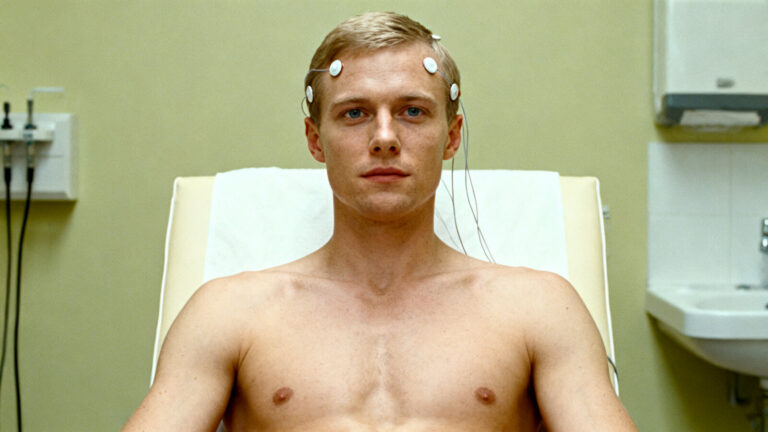
What ECT looks like now… you’re under general anesthesia, you get a muscle relaxant so the body doesn’t actually convulse, and a controlled electrical current induces a brief seizure in the brain under EEG monitoring. The whole thing takes about ten minutes. You wake up confused for an hour or two, somebody drives you home, you sleep. You do it two or three times a week for three or four weeks. That’s the protocol. That’s the whole thing. The grainy black and white scene people are picturing hasn’t been the version being done in any reputable hospital for decades.
Response rates for severe depression that hasn’t budged on medication land somewhere between 60 and 80 percent, depending on the population. Honestly, that’s better than any drug we have. Nothing else comes close. Anyone who tells you a new SSRI gets numbers like that’s a damn liar, and any prescriber pretending we have something cleaner that hits that hard is selling you on the idea, not the data.
Who it’s actually for
I don’t reach for ECT for a guy who tried one Lexapro and didn’t like it. ECT is for treatment resistant depression, which usually means two or three medication trials at real doses for real lengths of time and the patient is still flattened. It’s also for severe depression with psychotic features (depression where the depression itself starts generating delusions or hallucinations), catatonia (a state where somebody mostly stops moving, talking, or eating), and depression in older adults where you can’t wait six weeks for a med to start working because the guy isn’t eating and isn’t going to be around six weeks from now.
The other group is people who’ve already responded to ECT before. If it worked once, it tends to work again, which is actually a nice piece of information when you’re trying to plan a life. Some patients come back every couple of years for a maintenance course and live the rest of their lives in between like normal people who happen to drop in twice a year for a treatment that takes a morning.
The memory thing, honestly
This is the part people are actually afraid of, and they aren’t crazy to be afraid of it. ECT does cause memory problems. The honest version, not the marketing version… most of the memory effects are short term and clear up over weeks to months. Some patients lose memories of events around the time of treatment and those memories don’t come back. A smaller group reports longer lasting cognitive fog that’s harder to shake.
Anybody who tells you ECT is completely cognitively clean is lying to you. It’s not. The tradeoff is real. The question isn’t whether there’s a tradeoff, the question is whether the tradeoff is worth it for the specific person sitting in front of you, and for someone who’s been depressed for two years and has tried every drug and is still measuring their day by how soon they can get back into bed, the trade is usually obvious once it’s laid out plainly.
Bilateral ECT, where the electrodes go on both sides, works faster but causes more memory issues. Right unilateral, where only one side gets the current, causes less cognitive impact and works almost as well. Most modern protocols start with right unilateral for that reason. If somebody offers you bilateral as the first move and you’re not in an immediate crisis, ask them why. There’s sometimes a real answer. There’s also sometimes a “this is how we’ve always done it” answer, which isn’t a real answer.

What it doesn’t fix
ECT doesn’t fix your marriage, your job, your drinking, or the reasons your life got to the place it got to. It fixes the brain’s ability to feel anything other than dead. After that, the work of putting a life back together is the work of putting a life back together, and it takes as long as it takes. The treatment is a lever, not a magic wand.
What’s actually nice to hear, if you’re someone weighing this and feeling like the cost benefit conversation has been all cost so far… when ECT works, it works fast. You don’t wait twelve weeks to see if maybe the SSRI is starting to do something. Somewhere in the middle of the course, sometimes by week two, families call to say the guy has started returning texts again. Eating breakfast. Asking how the kids did at school. Asking, unprompted. It’s not subtle when it lands, it’s the lights coming back on.
Patients sometimes come out the other side and are genuinely surprised they still have to do therapy and exercise and stop drinking. The depression lifting doesn’t tell you what to do next, it just hands you back the capacity to do something next. The whole rest of the work is still in front of you. It’s just possible to do now.
The men this is for
The men who get referred for this tend to look the same on paper. Older, depressed for a year or more, often after something big like losing a spouse, and they’ve already been through four or five antidepressants, a couple of augmentation moves, sometimes a full course of TMS (transcranial magnetic stimulation, where magnetic pulses run through a coil held over the front of the head), and none of it moved the needle. A lot of them get brought in by family who won’t let it go, and they show up sure it won’t work, because nothing else did, mostly there because they’re out of other options.
A typical course is right unilateral, three times a week, for about a month. The sign that it’s working usually isn’t dramatic, it’s small and it’s about reconnecting, calling someone back without being prompted, asking how the grandkids are, eating and sleeping again, getting back to the gym. That often shows up a couple of weeks in, before the person can even put words to feeling better. The grief doesn’t disappear. What changes is that they can carry it without it trying to kill them.
Some come back for maintenance, a couple of sessions a year, and it holds for a long stretch. And it’s worth being honest about what the treatment does and doesn’t do. The hard part, the grieving, the relearning how to live alone, figuring out who you’re without the person you lost, none of that’s the ECT. The treatment just gets someone well enough that any of it becomes possible at all.
ECT doesn’t fix your marriage, your job, your drinking, or your reasons. It fixes the brain’s ability to feel anything other than dead.

How to actually access it in OR/WA
In Oregon and Washington, ECT is done at hospital affiliated programs, not in psychiatrist offices. OHSU has a program. Providence has one in Portland. Swedish in Seattle. Most insurance covers it if there’s documented treatment resistance. You need a psychiatrist referral and a medical workup before you start, basically because anesthesia means we want to make sure your heart and lungs can handle the morning.
If your current psychiatrist won’t refer you and you genuinely think you need it, get a second opinion. There are still psychiatrists who personally don’t believe in ECT, which is fine for them and their own opinions, but it shouldn’t decide your treatment. You’re allowed to ask another clinician.
Treatment resistant cases
Severe depression that hasn’t budged on two or three real medication trials. Catatonia. Psychotic depression. Older adults who can’t wait six weeks for a pill to maybe work.
10 minutes, general anesthesia
Two or three times a week, three to four weeks. Right unilateral first, less cognitive impact, almost the same response rate. Bilateral only if there’s a real reason.
60 to 80 percent
In severe, treatment resistant cases. Better than any antidepressant on the market. Memory effects are real and worth the trade for the right patient.

Bottom line
If you’ve been depressed for a year and three different medications haven’t moved it, ECT belongs on the table for a real conversation. The version in your head from the movies isn’t the version anybody actually does. The memory effects are real and worth weighing against being dead inside for another year of your life. For the right patient, it’s the single most effective thing in psychiatry, and the fact that almost nobody offers it as the next step after two failed trials is a failure of the field, not a feature of the treatment.
The conversation is worth having. The decision is yours. Both of those are still true.