Sections
Nobody walks into a first psychiatric appointment relaxed and anybody who claims they did is lying. The fears stack up the same way for almost everyone… that I’m going to prescribe something five minutes in, that I’m going to judge them, that they’ll forget the actual thing they came to say, that I’ll fix nothing, that I’ll fix everything and they’ll have to deal with what life looks like after it changes. None of those are going to happen, mostly because none of those is actually what the appointment is.
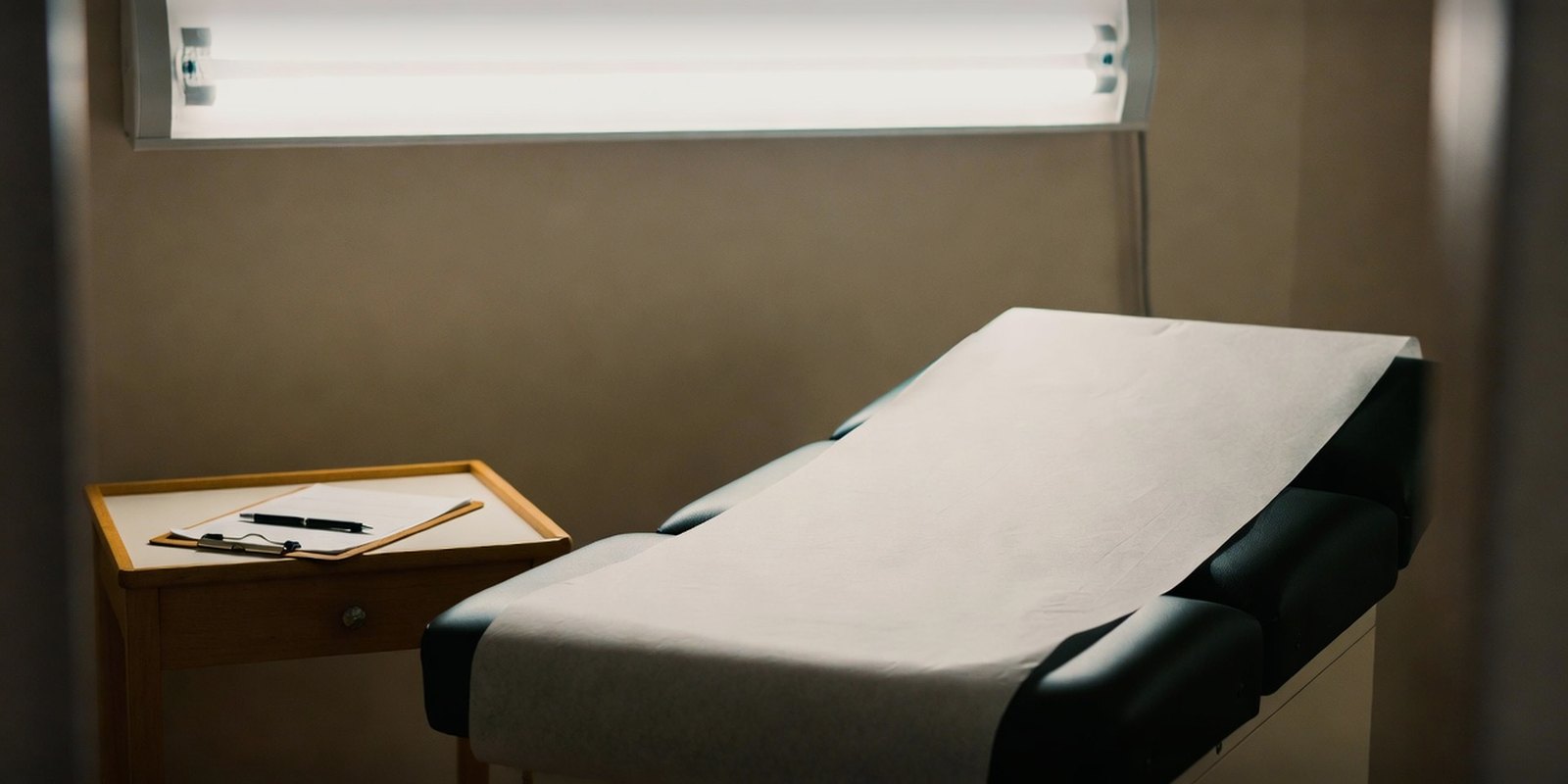
What’s going to happen is a long conversation. Mostly you talking, me asking, occasionally me writing things down. It takes about an hour, sometimes ninety minutes if there’s a lot of history to get through. By the end we’ll have a working idea of what’s actually going on and a plan for what to do about it. That’s the whole event. For a lot of guys, this ends up being one of the most important conversations they’ve had in years. It still feels like a normal conversation, which is probably for the best.
I’m writing this for the version of you who’s about to book something and is googling at midnight. Here’s what’s in the visit, what I’m listening for, and what a first appointment actually does and doesn’t do.
The 60 to 90 minutes, broken down
A first psychiatric evaluation has a shape. It’s not a loose chat and it’s not a checklist either, it’s somewhere in between, and most of the structure is in my head and not on the page, which is why some guys leave wondering whether anything was actually being assessed. I promise you it was.
The first chunk is the why. What brought you in this week and not six months ago. Most people underestimate how much that one question tells me. Something changed… a breakup, a deadline, a kid who moved out, a friend who died, a panic attack on a Tuesday morning that finally made you call. The trigger matters, but the timing tells me more. People don’t usually call a psychiatrist when things have been steadily bad for years, they call when something cracks, and the crack itself is information.
Then I take a history. Symptoms first, how long, how bad, when they started, what makes them worse, what makes them quieter. Sleep, appetite, energy, focus, libido, the unsexy stuff that turns out to be diagnostic. Past episodes. Family history of depression, bipolar, anxiety, addiction, suicide. Past therapy. Past psych meds, dose, what happened. Medical stuff. Thyroid. Head injuries. Substance use, including the things people don’t usually volunteer (the wine that’s somehow gone from one glass to four glasses on weeknights, the friend who gave you Adderall during finals in college, the gummies most weeknights, the porn habit that’s taking real hours of the week, the work you’ve put off telling anybody about). I get that the last list is the one nobody wants to itemize. The history doesn’t get useful if you sand the corners off it, and I’ve heard worse than whatever you’re about to tell me.
Somewhere in there I do what’s officially called a mental status exam, which sounds clinical but mostly means I’m watching how you talk against what you’re saying, whether you’re organized, whether you’re tracking, whether you’re fast or slow. Most of that happens without you noticing, which is the point.
Then the part most people are actually waiting for, which is the plan. What I think is going on, what the diagnostic possibilities are, and what reasonable next steps look like. Sometimes that’s medication. Sometimes a therapy referral. Often both. Sometimes labs first, because your thyroid being out of whack can look an awful lot like depression and starting you on Lexapro for a TSH problem is the kind of cosmetic fix that doesn’t fix anything.
What I’m actually listening for
Patients tend to think I’m listening for symptoms. I’m listening for patterns, which is a different sport. A guy comes in convinced he has ADHD because he can’t focus at work, and forty five minutes in it’s clear he’s been sleeping four hours a night because his kid is in the chaos phase, he’s been drinking to get to sleep which is fragmenting what little sleep he gets, and he’s caffeinating through the day to compensate. He doesn’t have ADHD. He has a sleep deficit and a coping strategy that’s making the deficit worse, and Vyvanse would have torpedoed the whole stack. We fix sleep first. The kind of guy who comes in convinced he’s got one thing and turns out to have a different thing is most appointments, not a few of them, and the diagnostic step is where most providers cut corners because the chemistry first appointment is faster, easier to bill, and lets everybody go home feeling like something happened.
What set it off matters, but when it hit usually tells me more about what’s actually breaking.
What I’m sorting for is whether what you’re describing is a primary mood or anxiety condition, or whether it’s a thing produced by the sleep, the substance use, the thyroid, the marriage that’s eating you alive, the grief that hasn’t been allowed to land yet. The diagnosis is a hypothesis about the mechanism, and the mechanism dictates the treatment. Slapping a label on you is the least interesting part of the job and the part that gets done the worst across the field, which honestly explains a lot about why second opinion appointments go the way they do.
I’m also listening for safety. Suicidal thoughts, self-harm, the kind of impulsivity that lands people in ERs. I ask everybody, regardless of how put-together someone looks, because asking is the only way to find out and missing it’s the thing I can’t afford to miss. If you have those thoughts, tell me. The conversation that follows is calmer than you think it’ll be, and it’s not going to end with somebody getting hauled out of here in restraints unless you tell me you’re about to do the thing tonight, which most people aren’t.
Slapping a label on you is the least interesting part of the job and the part that gets done worst across the field.

How to prep so the appointment is useful
Most people show up cold and then beat themselves up afterward for forgetting half their history. A few small things make the visit go a lot better.
A medication list
Every prescription, every supplement, the dose, how long you’ve been on it. Include the psych meds you tried five years ago and quit. Names and doses. “A small white one” isn’t useful and never has been.
Family history, roughly
Whether a parent, sibling, or grandparent had depression, bipolar, anxiety, addiction, or psychiatric hospitalizations. You don’t need a chart. A sentence per relative is enough. “Dad drank, never treated” is doing work.
Past treatment
What meds you tried, what dose, how long, why you stopped. “Zoloft 50mg for three months, made me numb” tells me more in ten seconds than a vague “antidepressants didn’t work.”
Also think about what you want out of treatment. Not in a vision-board way. In a concrete way. “I want to leave the house without rehearsing the drive.” “I want to stop crying at my desk.” “I want sex to not feel like a chore.” Specific targets give us something to actually measure against in three months, when we’re trying to figure out whether things are genuinely better or whether you’ve just adapted to a slightly different bad and started calling it normal.
The medication conversation, and what it isn’t
If we land on medication, the conversation is going to be longer than you probably expect. I’ll tell you what I’m thinking, why I’m thinking it, what the realistic timeline is, what side effects you’re likely to feel in the first two weeks, which ones to call about, and how long before we’ll know whether it’s working. For an SSRI (selective serotonin reuptake inhibitor, the most commonly prescribed antidepressant class, includes Zoloft, Lexapro, Prozac, Celexa) that’s usually four to six weeks at a real dose. For sleep medications it’s faster. For mood stabilizers it’s a longer arc with blood tests along the way.
What you’re not going to get is a prescription handed across the desk as you stand up to leave. If meds are part of the plan, they’re part of a plan, with a follow up date and a way to reach me if something feels off. Finding the right dose is where the real tuning happens, and I need you telling me what’s happening between visits.
Also worth saying up front, because it comes up: if you want medication, you get medication. I’m a provider, not a parent. My job is the honest take, your job is the decision about what you want to do with the honest take. The most I’ll do is a disapproving yes where you walk out with the script plus a clear sense of what I’d watch for and why I wasn’t thrilled. I hardly ever say no.
Sometimes I won’t recommend medication on the first visit at all. If what you’re describing sounds like grief, or burnout, or a fully situational response to something that’s actively happening, the medication might be the wrong answer and working the situation might be the right one. I’ll tell you that out loud, and you can take it or leave it. Some people feel dismissed by it, and I get why, but a Lexapro prescription for what’s actually a marriage problem isn’t me helping you, it’s me getting you out of my way. Which is exactly the move you came to a psychiatrist to avoid having done to you for the eighth time.
Follow-up, telehealth, and what the next six months look like
After the first visit, the frequency depends on what we started. If we started a medication, I want to see you in two to four weeks. After that, every four to six weeks until you’re in a calmer stretch, then every two to three months for maintenance. If we didn’t start anything and we’re watching to see how things move, six weeks is reasonable. If you’re in active crisis, weekly until you’re not.
Telehealth versus in person, the short answer is most of this works fine over video, and for a lot of guys it’s the difference between getting care and not getting care. People have done well on video for years without ever sitting in the same room as me. The exception is the first visit for anything that involves a controlled substance like a stimulant for ADHD, which still needs to be in person for federal reasons. Otherwise, pick whichever one you’re actually going to keep. If you need to reschedule, reschedule before you disappear on it.

The thing nobody tells you about the first visit
The actual hardest part of this is mostly already behind you by the time you sit down. The hard part was deciding to make the call, which most guys put off for somewhere between two and ten years, and which you already did this week. Walking in is easier than booking. The conversation is easier than walking in. By the end of the hour you’ll know more about what’s going on than you did when you walked in, and the version of you that dreaded the phone call is going to feel weirdly smug about it on the drive home. Which is also data. The thing you were terrified of turned out to be a conversation. The thing you were afraid would judge you turned out to be somebody whose entire job is to take what you say seriously. That’s the whole event.
Keep the appointment if you can. If you can’t, reschedule before you disappear on it.
Wait can you say that this is the easy part? Yeah, kind of. The hard part is what you do on Thursday morning with what we figured out on Tuesday.