People think getting sober is the hard part. Yeah, detox sucks, early sobriety is uncomfortable, breaking the actual habit is genuinely difficult...
Sections
People figure getting sober is the hard part. And sure, detox sucks, the first few weeks are miserable, breaking the habit is no joke. That stuff is real. But it’s not what drags people back to the bottle or the pills six months down the line.
What drags them back isn’t having the first clue what to do with themselves once the substance is gone. Because the substance had a job. A few jobs, really, all at once. It handled the anxiety, it killed the dead hours in the evening, it loosened you up at parties, it was the hobby, the coping skill, the off switch for whatever the day jammed into your head. You pull it out and every one of those jobs is still sitting there on the kitchen counter staring at you, with nothing lined up to take its place and nobody telling you what’s supposed to go there.
Detox takes about a week. Withdrawal, another two. Building a life you can stand to be sober inside of takes years, and year one is the ugly one.
Why month six is worse than month one
The sharp withdrawal, the shakes and the sweats, that burns off in a couple weeks. The slow version doesn’t, not on any timeline you’d want. The clinical name for the slow version is post-acute withdrawal syndrome, PAWS for short, and all it means is your brain chemistry is still recalibrating months after your last drink. The trouble is the symptoms read like character defects if you don’t know what you’re looking at. Sleep that won’t hold together. A mood that swings on nothing. A craving that lands on a random Tuesday afternoon when you were fine an hour before. Fog in your head. And the one where nothing feels good anymore, which is the one that gets people. The clinical word for that’s anhedonia, which really just means nothing tastes like anything anymore, and that’s the one that pulls people back, because the substance is what used to make stuff taste like something.
For alcohol, this stretch can run six months to two years. Opioids, about the same. Benzodiazepines (the Xanax, Klonopin, and Valium family, the sedatives) can drag out even longer, and the slow-burn anxiety that comes with it’s rough. Most of the people who slip around month six are slipping back into symptoms nobody warned them were normal and nobody gave them a name for. They figure they’re broken when really their brain’s just taking its time leveling back out. Which is annoying news, but it’s also useful news, because if you know the floor’s going to drop out around month six, you can plan for it instead of getting ambushed by it.
Picture a guy eight months off the booze who’s convinced he’s bipolar. Mood swings, short fuse, crashing every afternoon. He’d done AA, he’d white-knuckled his way through every birthday and every wedding, and he’s sitting there sure he’s got a whole second illness stacked on top of the first one. He didn’t. What he had was the slow back end of withdrawal his brain was still grinding through. Got him on a low-dose SSRI (the most common kind of antidepressant), got his sleep fixed, and the “bipolar” cleared up over the next four months.
What the substance was doing for you
Almost nobody drinks just to drink. The substance was medicating something, and the second you pull it out, whatever it was medicating comes roaring back with interest, the way an unpaid debt comes back bigger than you left it. You don’t get to skip the bill. It just shows up later in worse shape.
The usual stuff underneath is anxiety, depression, untreated ADHD, and trauma, usually two or three of them tangled together. Alcohol is a fantastic short-term anxiety drug. It works on the same brain system the benzos do, just messier and with more wreckage on the way out. If you’ve spent fifteen years using two drinks at 6 PM to come down off work, your nervous system has wired its whole afternoon around that ritual. Take it away and the anxiety that showed up at 5:55 every day is still showing up, except now it’s at 5:55 and 6:30 and 8 PM and midnight and 3 AM.
Opioids are an emotional anesthetic. They flatten physical pain and psychological pain at the same time, and people using them can’t always tell which one they’re treating. Plenty of guys on opioids are medicating depression or trauma without knowing it, because the opioid was working, and that’s the most dangerous version of all of this. Stimulants get used to self-treat undiagnosed ADHD all the time, which is part of why some folks in recovery from cocaine or meth do well on real prescription Vyvanse or Adderall once the dust settles. You handle that one carefully, with a real conversation and not a casual scrip, but it’s a legitimate category.
Going it totally alone has worse one-year odds than just about any other way you could do this.
Sobriety drags whatever the substance was hiding right up into the light. Most people in their first year sober are dealing with anxiety or depression or trauma that’s been parked there their whole adult life, just chemically muffled. That’s the whole project of recovery. Quitting forces all that buried stuff up to the surface, and if you don’t deal with it, staying quit is brutal. The field’s been stuck on that for a hundred years.
MAT exists and it works, and the moralism around it kills people
Medication assisted treatment still gets moralized about, mostly by people who’ve never had to live inside the brain it’s treating. Naltrexone, acamprosate, buprenorphine. They work. The data on that’s loud, not subtle, and the field dragging its feet on prescribing them is one of those things history is going to look back on and wince at.
Naltrexone
50mg daily oral, or the monthly Vivitrol shot. Blocks the reward you get from drinking. It won’t kill the craving directly, but it kills the payoff. Works best paired with abstinence or the Sinclair method.
Acamprosate
666mg three times a day. Quiets the slow withdrawal noise, which is mostly what drives the six month slip. Boring drug. Reliable.
Naltrexone is way underused for alcohol. You take it daily as a pill or get the monthly Vivitrol shot. It blocks the receptors that carry the reward from alcohol, so if you drink on it you’ll feel the drink in your body but you won’t get the emotional payoff. A surprising number of people on it just lose interest in drinking over a few months, because the brain stops tying alcohol to a reward. Some people don’t respond to it at all. But it gets prescribed at maybe a tenth of the rate it should, the kind of blind spot the field will get around to fixing in about thirty years, the way it eventually gets around to most of them.
Acamprosate (sold as Campral) is the other big one. The three-times-a-day dosing is a pain, but it goes right after the brain chemistry imbalance that drives the long back end of withdrawal. If you’ve got somebody six months sober and miserable, acamprosate is often the thing that carries them through the next six.
Buprenorphine for opioids isn’t optional in 2026. The data on overdose deaths is overwhelming. If you’re telling somebody in opioid recovery they’ve got to taper off Suboxone to be “really sober, ” then statistically you’re telling them to die. Long-term maintenance saves lives, the brain on opioids doesn’t fully heal in six months or a year, and plenty of people do best staying on buprenorphine indefinitely, the same way a diabetic does best staying on insulin indefinitely. The moralism around all this kills people, and more of us should say so out loud.
Staying on buprenorphine for years saves lives, the same way insulin does, and nobody moralizes the pancreas.
The social network problem
Everyone you used to drink with still drinks. Every place you used to go, drinking happens there. The wedding, the work happy hour, the Sunday football thing at your buddy’s place, dinner at your in-laws where the wine’s just sitting on the table like furniture. Your whole adult social setup got built around a thing you’re not doing anymore, and that’s a real problem nobody warns you about in detox.
For the first year, that setup is basically a relapse risk wearing a face. Your friends aren’t bad people, it’s just that the routes from “this place” to “this drink” are wired right into your brain. You walk into your buddy’s living room and your nervous system goes, oh, this is where the IPA happens. That’s normal cued recall, nothing dramatic about it, and it makes the substance feel close even when you weren’t thinking about it ten minutes ago.
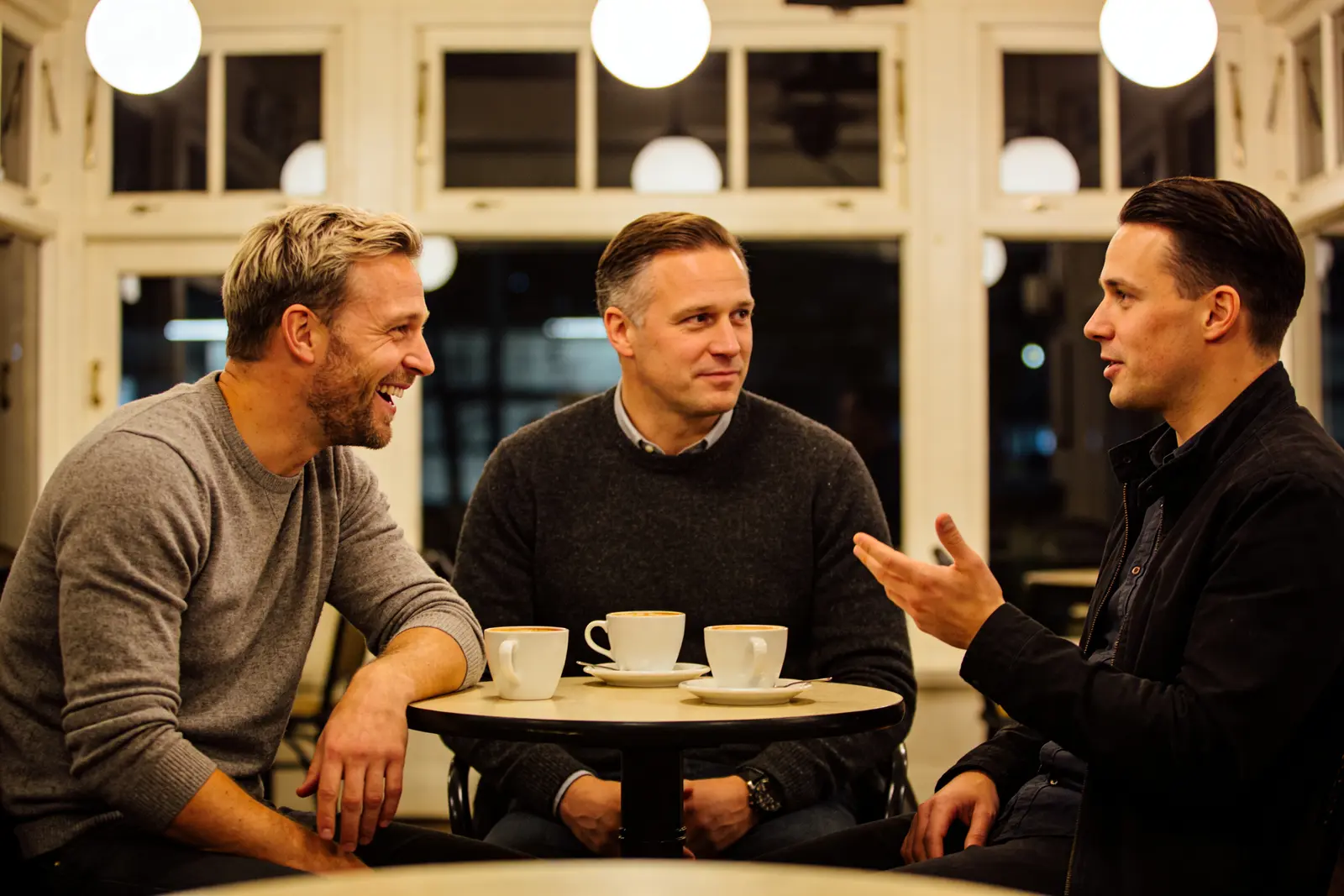
This is the real reason AA and the twelve-step rooms work for people, and it’s got nothing to do with the higher-power stuff. The rooms hand you a backup social network where the default thing everyone’s doing isn’t drinking. Coffee at 7 PM with guys who get it, a reason to be somewhere on a Friday night that isn’t a bar. For a lot of people that’s the whole ballgame. Some people can’t stomach the higher-power language, and SMART Recovery and Refuge Recovery exist for exactly those people. Nobody’s saying you have to do AA. Somebody is absolutely saying you have to do something. Going it totally alone, no meetings, no program, nobody who even knows what you’re up to, has worse one-year odds than just about any other way you could go about this, and that’s about as solid as the findings get in this field (Kelly et al. 2020).
The relapse curve, no spin
Relapse rates in the first year run somewhere between 40 and 60 percent for substance use disorders (McLellan et al. 2000), which sounds like a disaster if you read it cold and looks a lot more reasonable once you know where the danger spots are. They cluster around the 90-day mark, six months, and the one-year line. What those moments have in common is the emotional gap. Three months in, the “look at me, I quit” buzz wears off and life is just life again. Six months in, the slow withdrawal is peaking. Twelve months in, the brain decides you’re cured, which is exactly when getting cocky sets you up for the slip.
Here’s how it tends to play out. Guy is two years sober off alcohol, decides at a work conference he can handle one glass with dinner, because what’s one glass at a conference, and then he’s drinking for three months before he gets himself back into treatment. The brain’s memory for the substance never leaves, it just goes quiet, and I mean quiet on purpose, because the substance is patient. It’ll sit and wait for the right opening and the right excuse, and the right opening is almost always a moment when you’re feeling fine.

So if you’re in year one, here’s what you need real answers to. What are you doing instead of drinking on Friday at 7 PM. What’s the plan for the next wedding. Who do you call when a craving lands on a Wednesday for no reason at all. What’s the underlying thing you’re treating now that the substance isn’t doing the treating for you. If you can’t answer those, the math is working against you. If you can, the math tips a long way back toward your side. So yeah, the quitting isn’t really the hard part. It’s all the stuff after, and nobody tells you that while you’re sweating it out in detox.