Sections
IV recovery is one of those wellness products that works just well enough to keep selling itself. You walk in dehydrated, hungover, beat up from a long ride, somebody sticks a line in your arm, forty five minutes later you feel noticeably better and walk out convinced you just bought something miraculous. What you actually bought was a liter of salt water delivered fast, plus some vitamins your body didn’t need delivered through a vein, plus maybe a glutathione push that probably did nothing, plus an experience clinical enough to feel like it ought to cost $250.
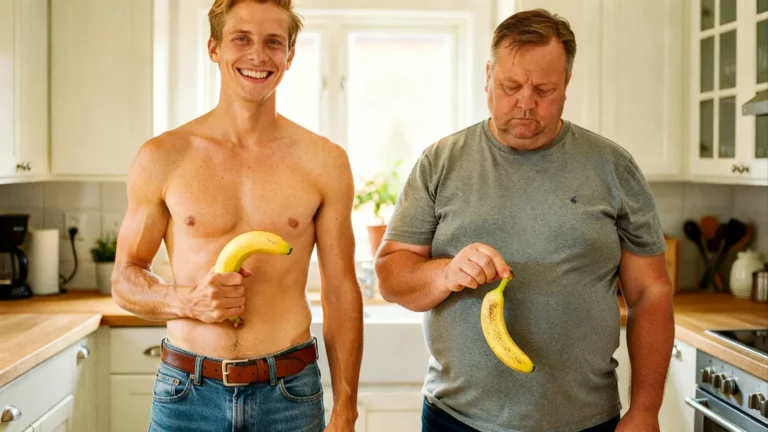
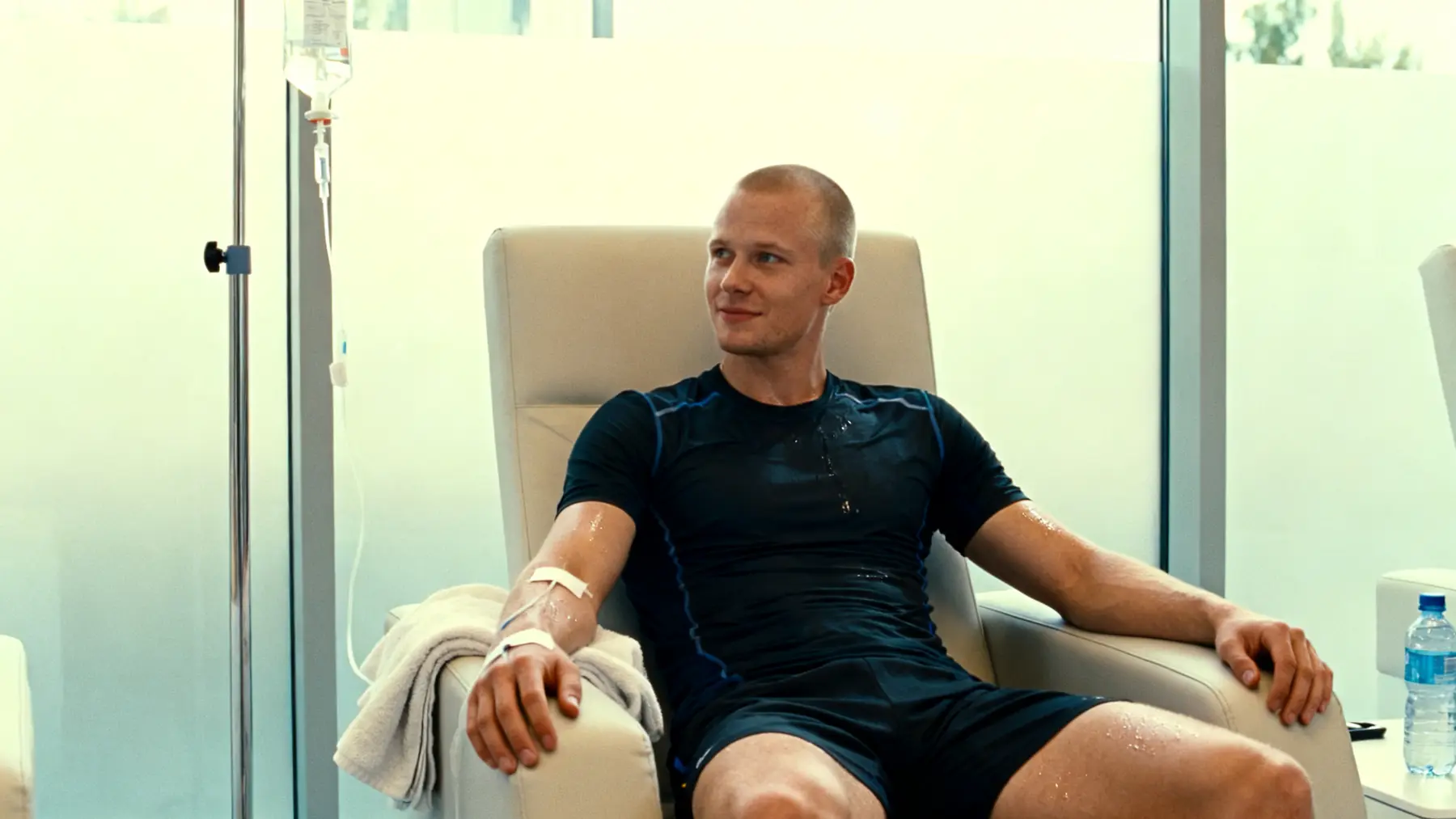
I’m not anti-IV in general. I write IV orders in the hospital all the time. There’s a narrow band of situations where IV fluids change outcomes, and outside that band you’re paying retail for something a glass of water and a banana would have handled in twenty extra minutes. The reason this market exploded isn’t that the science got better, it’s that somebody figured out an arm-cannula photographs well on Instagram. The drip bag and the recliner and the vitamin menu have the visual grammar of medicine, and people will pay for the grammar.
Tissue remodeling takes the time it takes. The people selling you the shortcut are mostly selling the feeling of having done something.
When IV fluids actually do something
The real indication is the kind of dehydration you can’t reverse by mouth. Usually that’s a GI bug where you’ve been throwing up for eight hours and can’t keep down sips of water. Sometimes it’s heat illness, somebody collapsed at mile ten of a half marathon and is vomiting at the medical tent. Occasionally it’s an endurance athlete who finished an Ironman, lost six pounds of water, and can’t tolerate anything by mouth. In those cases a liter of normal saline or LR (lactated Ringer’s, which is just saline with some electrolytes and a buffer in it) in under an hour does something real. Heart rate drops, blood pressure comes back up, the person stops looking gray.
The keyword in all of that’s can’t. As in physically unable to keep fluids down. If you can drink, drinking works. The gut moves water into the bloodstream very efficiently when you give it electrolytes alongside, a liter of water with a teaspoon of salt and some sugar in it absorbs about as fast as you can pour it down. That’s how oral rehydration solution saved hundreds of thousands of kids with cholera in the 1970s. The WHO formula costs about twelve cents. The IV bag costs $250 and a needle in your arm, and the cholera kids would have laughed at that math.
The kind of guy who shows up asking whether he should be doing weekly drips during a training block is almost never a guy who’s medically dehydrated. He’s a guy who’s fit, hydrated, and sleeping six hours because his job is eating him alive. What’s capping his recovery isn’t his sodium level, it’s the six hours. I’ll tell him that and sometimes he hates hearing it and goes to the drip bar twice anyway, and then ends up sleeping eight hours for a month because the season is on the line and he runs a personal best and we laugh about it later. The drip didn’t do anything. The bed did.
What’s in the typical recovery drip, and what it’s doing
The standard menu has a lot of things on it. Honest accounting of what each one is actually doing:
Saline is the thing actually doing the work, a liter of isotonic fluid over half an hour to forty five minutes will make almost anyone feel better if they walked in even a little dehydrated… which is real, and also exactly replicable with a bottle of water and a packet of LMNT or Liquid IV. Same volume, slower delivery, identical endpoint. The IV just feels more dramatic because it bypasses the gut and you can feel the cool fluid going up your arm.
B vitamins are water-soluble, which means if you weren’t deficient walking in, you pee out the excess within hours. The “energy boost” people describe from a B12 shot is mostly placebo unless you’ve got a documented deficiency, and a documented deficiency is a blood-test conversation with somebody who’ll actually figure out why you’re deficient, not a vibes-based monthly drip.
Amino acids are pitched on the premise that IV delivery skips digestion and gets stuff to muscle faster. The data on whether that translates to faster recovery in somebody who isn’t deficient is thin to nonexistent. Your gut absorbs protein very well, a scoop of whey thirty minutes after training does what a bag of IV aminos is claiming to do, for $1.50 instead of $80.
Glutathione is the body’s master antioxidant, which sounds great, which is why it sells. IV glutathione clears out of the bloodstream fast, within minutes, so whether any of it ends up doing intracellular work in a healthy person is unclear. There’s some interesting research in Parkinson’s and chronic liver disease. In a thirty-two year old who did a hard CrossFit workout the evidence is essentially vibes.
NAD+ is the one I get the most questions about because the longevity podcast crowd has made it the new resveratrol. NAD+ is a real and important coenzyme and there’s genuine emerging research on supplementation, mostly with oral precursors like NR and NMN. IV NAD+ at 250 to 1000mg drips is a different animal… poorly studied, often uncomfortable (people describe a heavy chest feeling and nausea during the push, which the clinic will call “the cells working” and what it actually is is the clinic pushing it too fast), and we don’t yet know what fraction of that bolus actually raises tissue NAD+ in any sustained way. Maybe it’s doing something, the evidence is nowhere near where the marketing is. Right now you’re paying $600 to $1200 to be part of an unblinded experiment.
If you can keep water down, you don’t need an IV. You need a bottle, a packet of electrolytes, and somebody to leave you alone for an hour.
The professional athlete carve-out
If you’re a Tour de France rider in the middle of a 21-day stage race, IV fluids and targeted amino infusions are part of a real performance-and-recovery infrastructure with a team doctor managing it. WADA has rules about volume and timing for a reason, that world exists. It’s not the world you live in if you did a Saturday century ride and want to feel sharp for Monday.
The weekend warrior version is mostly cosplay. You’re paying for the aesthetic of recovery rather than the substance, which is fine if you know that’s what you’re doing. The marketing won’t tell you. The marketing is selling the cannula like it’s a piece of medicine, and the cannula is mostly the receipt.

What moves recovery, the unsexy version
If somebody handed me a budget to make a recreational athlete recover better, I wouldn’t spend a dollar of it on IV. I’d spend it on a better mattress, a sleep tracker that shames the person into bed by 10:30, a kitchen scale to make sure they’re hitting protein, and a coach who actually programs deload weeks instead of cheerleading more volume. Boring. None of it photographs.
When IV earns its price tag
Vomiting illness you can’t keep fluids down for. Heat collapse. Post-endurance event with GI shutdown. Real volume depletion in somebody who medically can’t drink. That’s the list.
Glutathione and NAD+ drips
Interesting biology, thin clinical evidence in healthy people. NAD+ has the most promising research arc, but oral precursors are cheaper, better-studied, and less weird going in.
What works
Eight hours of sleep. 1.6 to 2.2 grams of protein per kg of bodyweight. Water with electrolytes. A deload week every fourth or fifth training block. Boring. Replicates in every study.
Sleep is the one variable that keeps showing up in every recovery study from college soccer to the Premier League. Seven hours minimum, eight is better, nine in a hard block. Growth hormone pulses, muscle protein synthesis, your nervous system winding back down, all of it runs on sleep, none of it runs on glutathione.
Protein matters more than people training hard tend to think, in a dumb mechanical way that comes down to how much you’re eating across the day. 1.6 to 2.2 grams per kilogram of bodyweight is the studied range for athletes, most of the guys asking me about drips are eating half that and wondering why they’re sore for four days.
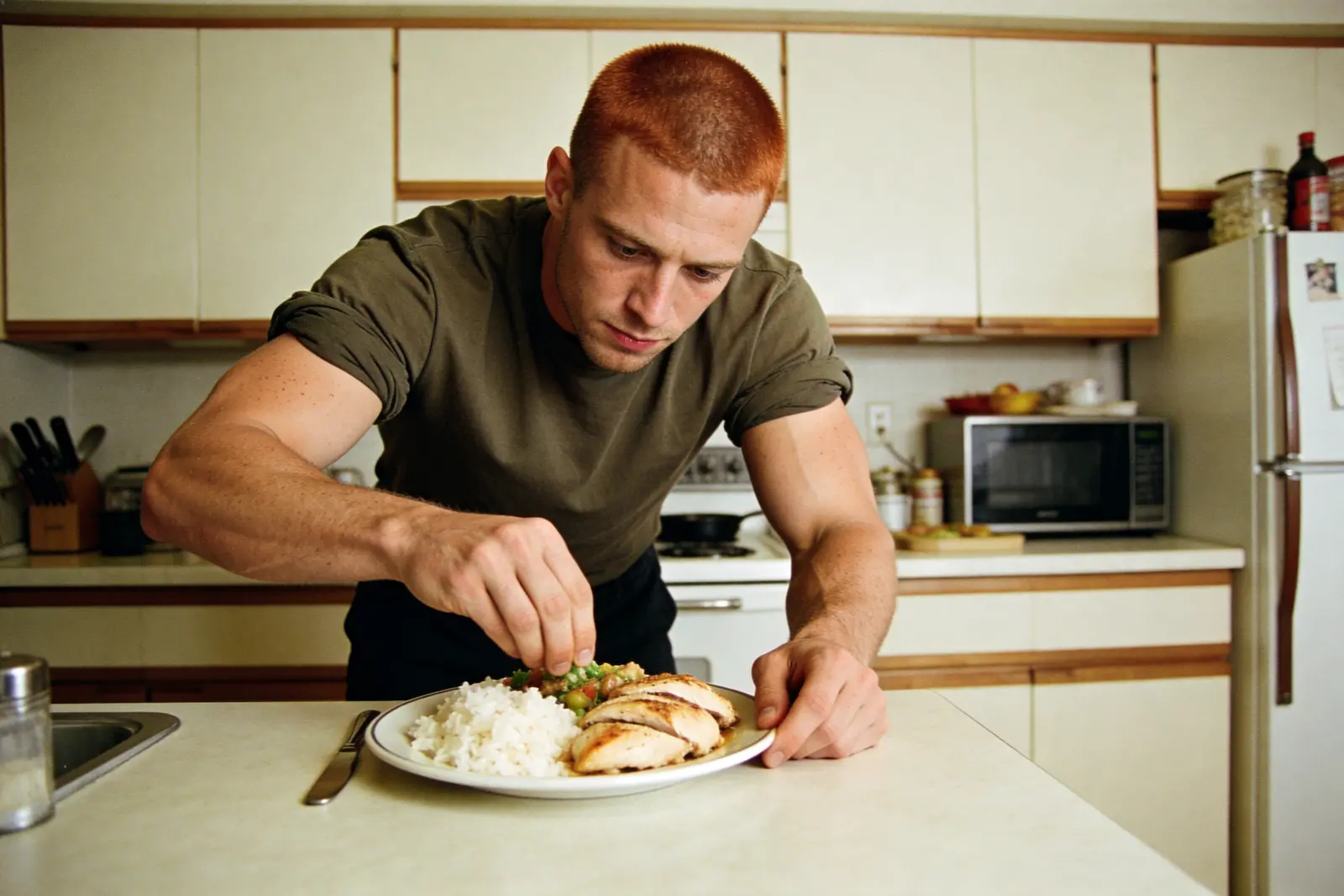
Hydration is fine, drink water like you actually like it, you’re gonna need it, with sodium and potassium in it if you sweat a lot or train in heat. Doesn’t require a recliner. Doesn’t photograph.
And then there’s time, which is the one nobody wants to hear. Tissue remodeling takes the time it takes. The people selling you the shortcut are mostly selling the feeling of having done something, which is a real product, it just isn’t the one on the menu.
If the IV makes you feel good and you can afford it and you know what you’re paying for, go nuts. I’m not your mother, and adults get to spend their money however they want. The trouble is mostly when somebody is paying $300 a week for drips while still sleeping six hours and eating like a college freshman, because the drip is the reason they don’t have to look at the actual problem… which is that an extra hour of bed and a stocked fridge would do more in a week than the IV will do in a year.
Sources
- Phillips SM, Van Loon LJ, Dietary protein for athletes: from requirements to optimum adaptation, J Sports Sci, 2011;29 Suppl 1:S29-38. PMID 22150425. (Consensus athlete protein intake lands at roughly 1.3 to 2.0 g/kg/day, with the higher end reserved for hard training blocks)
- Morton RW, Murphy KT, McKellar SR, et al, A systematic review, meta-analysis and meta-regression of the effect of protein supplementation on resistance training-induced gains in muscle mass and strength in healthy adults, Br J Sports Med, 2018;52(6):376-384. PMID 28698222. (Gains in fat-free mass plateau once total protein intake reaches about 1.6 g/kg/day, so the studied range tops out where the menu prices keep climbing)
- Halson SL. Sleep in elite athletes and nutritional interventions to enhance sleep. Sports Med. 2014;44 Suppl 1:S13-23. PMID 24791913. (Sleep extension improves recovery outcomes across sports)
- Hemilä H, Chalker E. Vitamin C for preventing and treating the common cold. Cochrane Database Syst Rev. 2013;(1):CD000980. PMID 23440782. (Modest benefit in marathon runners only; not in general population)
- Levine M, Conry-Cantilena C, Wang Y, et al. Vitamin C pharmacokinetics in healthy volunteers. Proc Natl Acad Sci USA. 1996;93(8):3704-3709. PMID 8623000. (Oral saturation ceiling for vitamin C)
- Hartling L, Bellemare S, Wiebe N, et al, Oral versus intravenous rehydration for treating dehydration due to gastroenteritis in children, Cochrane Database Syst Rev, 2006;(3):CD004390. PMID 16856044. (No clinically important difference between oral and IV rehydration, with only about some oral cases failing and needing a line, which is the whole can’t-keep-it-down carve-out)