Ambien gets prescribed like Tic Tacs. Primary care hands it out, urgent care hands it out, the dentist hands it out before a crown. Most patients who walk into my office on it have been on it for years, sometimes a decade, and nobody’s talked to them about what it actually is and what it stops being good for after about a month.
Zolpidem is the generic. It’s a Z-drug, a non-benzodiazepine GABA-A agonist, which is a technical way of saying it binds the same receptor as Xanax and Klonopin at a slightly different sub-unit. The marketing in the nineties told everyone it wasn’t really a benzo. Pharmacologically it basically is. It’s Schedule IV, you can get physically dependent on it, and people do, all the time.
What it does well is knock you out fast. Half-life runs roughly 2 to 3 hours, short by sleep-med standards, built to push you from awake to asleep and clear out before morning. That’s the pitch and that’s the actual pharmacology. The trouble is what people use it for and how long they stay on it.
Sleep onset vs sleep maintenance
Insomnia comes in flavors. Sleep-onset insomnia is the version where you lie there for an hour and a half staring at the ceiling before you can fall asleep. Sleep-maintenance insomnia is the version where you fall asleep fine at 11 and then wake up at 2:47 and your brain starts running spreadsheets about your kid’s tuition.
Ambien is built for the first one. Fast on, fast off. If you take 10mg at 10:30, by 11 you’re out, and by 4 AM it’s mostly cleared. If your problem is waking up at 3, regular Ambien won’t fix that, because it’s already gone by then. There’s a controlled-release version (Ambien CR) that adds a second layer of drug for the back half of the night, and sublingual Intermezzo for people who wake at 2 AM and need something that dissolves under the tongue without lingering at 7. Most people don’t know these exist because their prescriber gave them generic zolpidem and called it a day.
I had a woman in clinic last spring, mid-forties, on zolpidem for two years, telling me it had “stopped working.” When I dug into it, she was falling asleep within ten minutes every night… and waking at 3:15 every morning, wide awake, heart pounding. The pill was doing exactly what zolpidem does. Her actual problem was perimenopausal hot flashes nobody had asked her about. We tapered the Ambien, talked to her gyn about hormone options, and the 3 AM thing resolved on its own. A sleep med that doesn’t match your insomnia pattern is the cheapest diagnostic test there is, and most prescribers skip it.
If a patient comes in saying “I can’t stay asleep” and they’re on plain zolpidem, that’s a clue. Sleep apnea. Depression with early-morning awakening. Alcohol use they’re not telling me about. Perimenopause. Untreated ADHD where the brain refuses to power down.
The parasomnia thing nobody warns patients about
This is the part of the Ambien conversation that doesn’t make it into the five-minute med appointment, and it should.
Zolpidem causes complex sleep behaviors at a rate that’s higher than most people realize. The FDA put a black box warning on it in 2019 for exactly this reason. People walk around, eat, have conversations, drive, send texts, have sex, and remember none of it the next morning. Not a fuzzy memory. Zero memory. The drug suppresses the formation of new memories in the window where it’s active, so whatever you do during that window is gone.
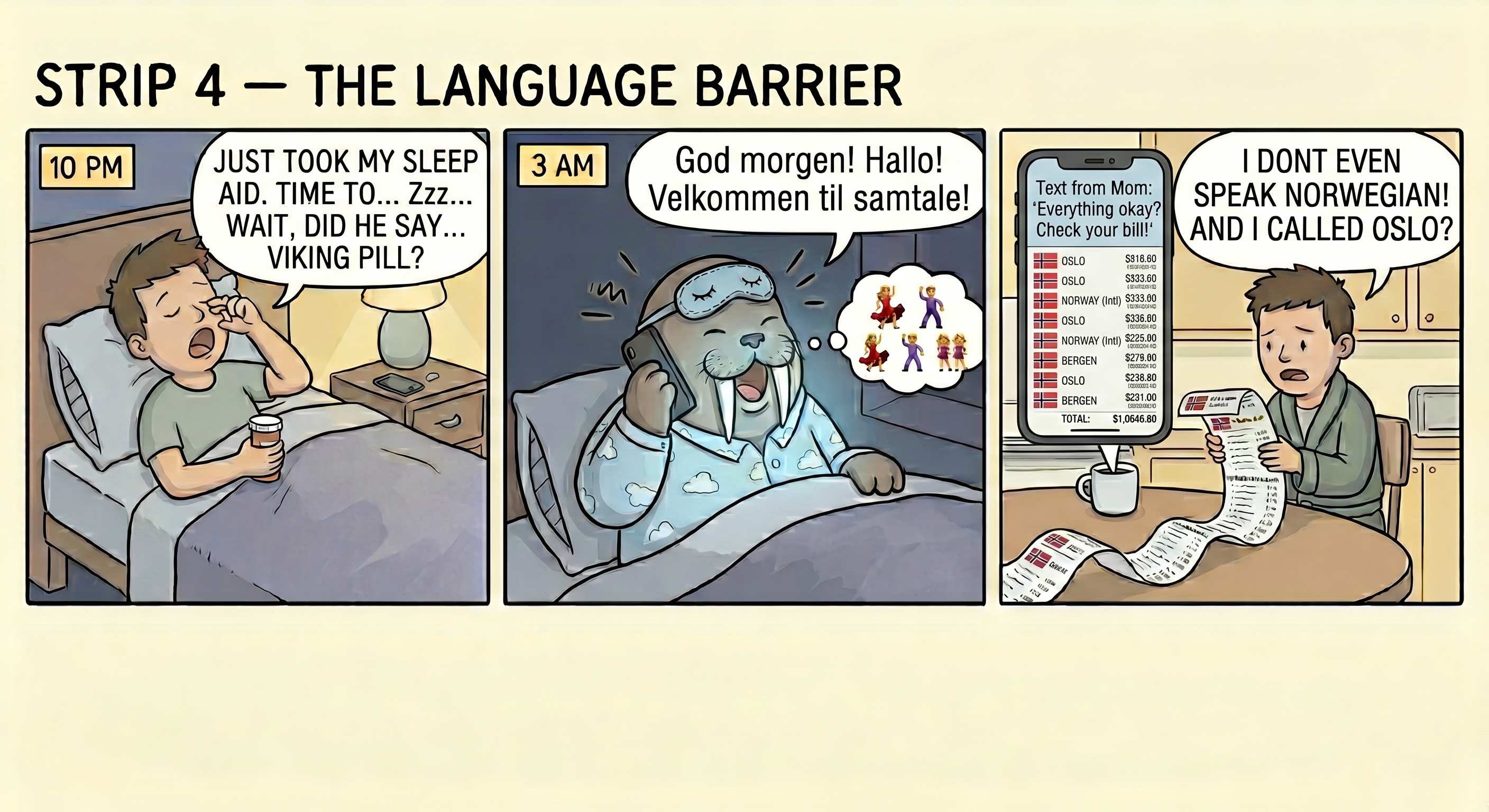
I had a patient a couple years ago, software engineer, mid-thirties, on 10mg for about eight months. Her boyfriend started showing her screenshots of texts she’d sent him at 1 AM, full conversations she had no recollection of, some coherent, some bizarre. One night she ordered seven hundred dollars of stuff from Amazon and woke up to the shipping confirmations. She’d been blaming herself for being scattered. She was sleep-shopping on a sedative.
Another guy, 50s, drove halfway across town one night and got found by a cop asleep in a parking lot with the engine running. Hadn’t had a drink in fifteen years. Took his 10mg, went to bed, and got back up at some point. He doesn’t drive on Ambien anymore because he doesn’t take Ambien anymore.
If you’ve been on Ambien for a year and your partner has never mentioned anything weird about your nights, you got lucky. The drug rolls dice every time you take it.
Risk factors that bump the parasomnia odds: higher doses, alcohol, taking it after a light meal where absorption spikes, sleep deprivation going in, and being a woman. The last one was a big enough deal that the FDA in 2013 cut the recommended starting dose for women in half. 5mg for women, 10mg for men. Women clear the drug slower, blood levels at 8 AM are still high enough to impair driving. Plenty of prescribers still default to 10mg for everyone. Check your bottle.
The Ambien Walrus
There’s a name for the version of you that takes Ambien and then doesn’t go to bed. The internet called it the Ambien Walrus. It was a Tumblr and Reddit meme that hit big around 2011 to 2013, a cartoon walrus standing in for the disinhibited, chatty, weird, slightly menacing personality that emerges when zolpidem hits your brain and you’re still vertical. Different artists drew different versions. The character stuck because it captured something real.
It became a meme because it’s true. The drug strips the part of you that filters, the part that decides not to text the ex, not to eat a sleeve of crackers standing at the counter, not to send a 4 AM screed to a group chat. What’s left is something that talks like you and types like you and has none of your judgment. Patients describe it in the third person without being prompted. I’ve had people tell me “my Ambien Walrus emailed my boss at 3 AM” or “the Walrus ate half a birthday cake last night, I found the fork in the sink.” They’re laughing when they say it. They’re also a little scared.
This is the whole reason the counseling on this drug matters. Take it sitting on the edge of the bed, get under the covers, put the phone in a different room. The window between swallowing the pill and falling asleep is where the Walrus lives, and it gets smaller the less time you spend awake in it.
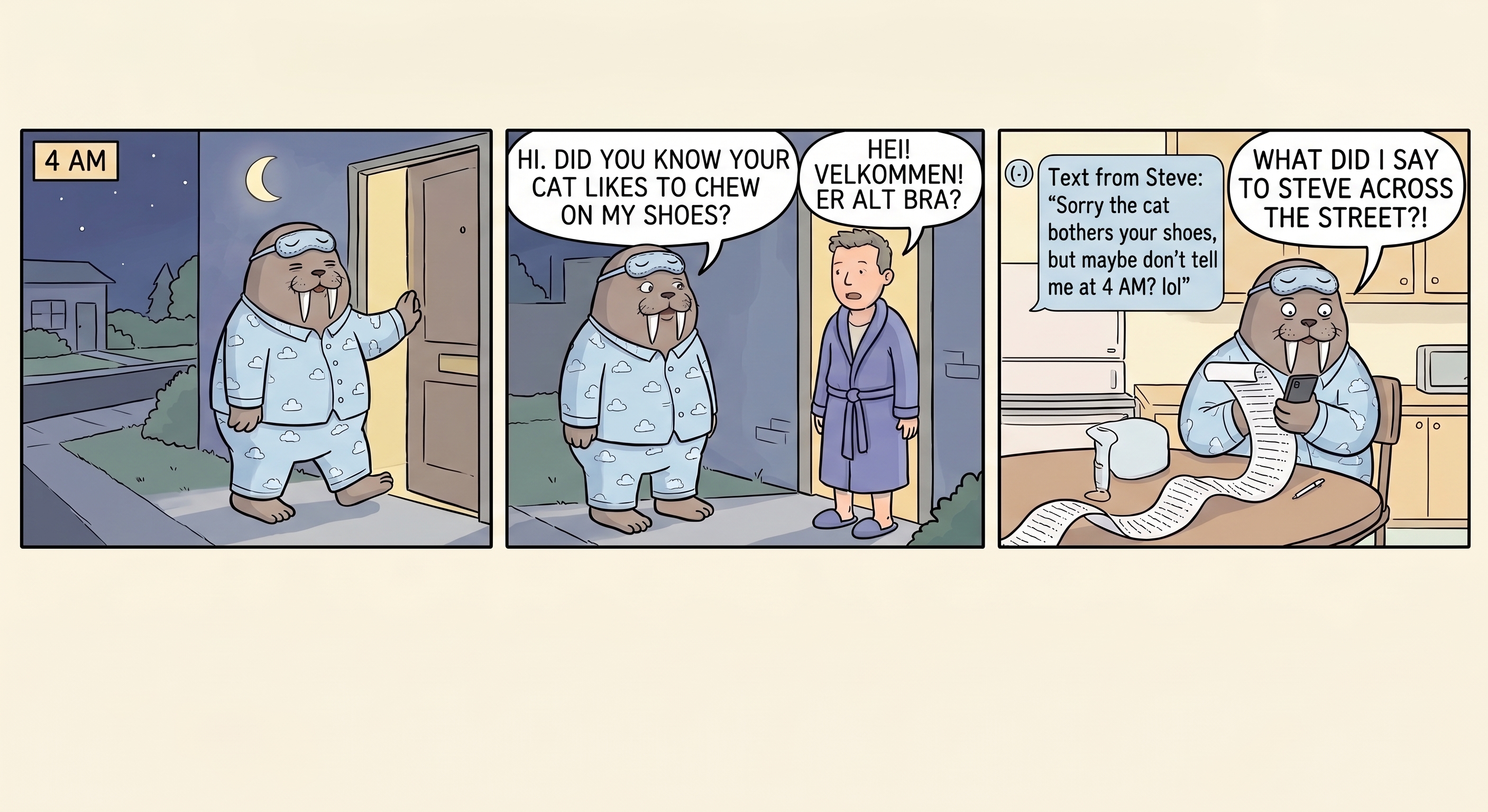
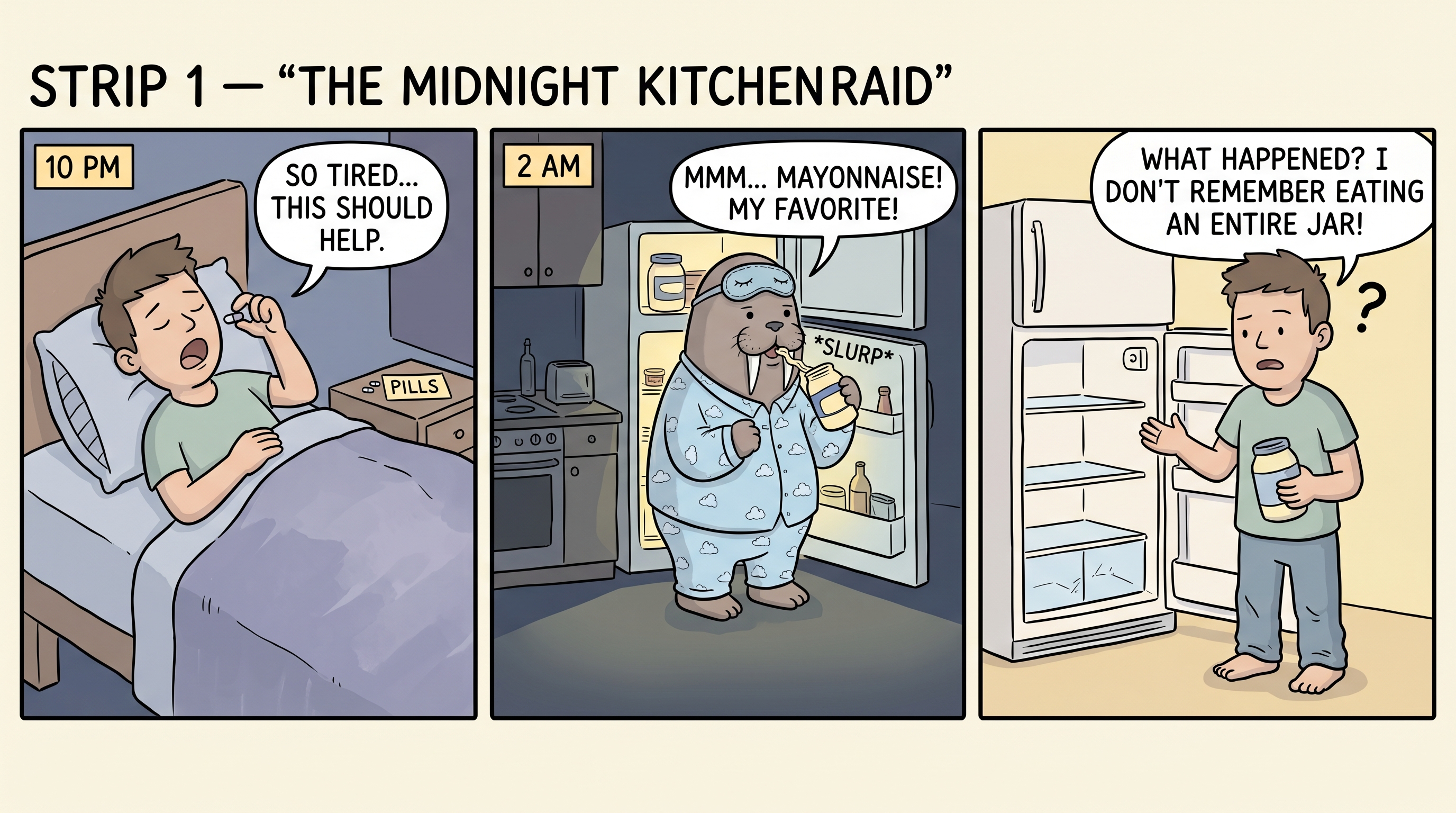
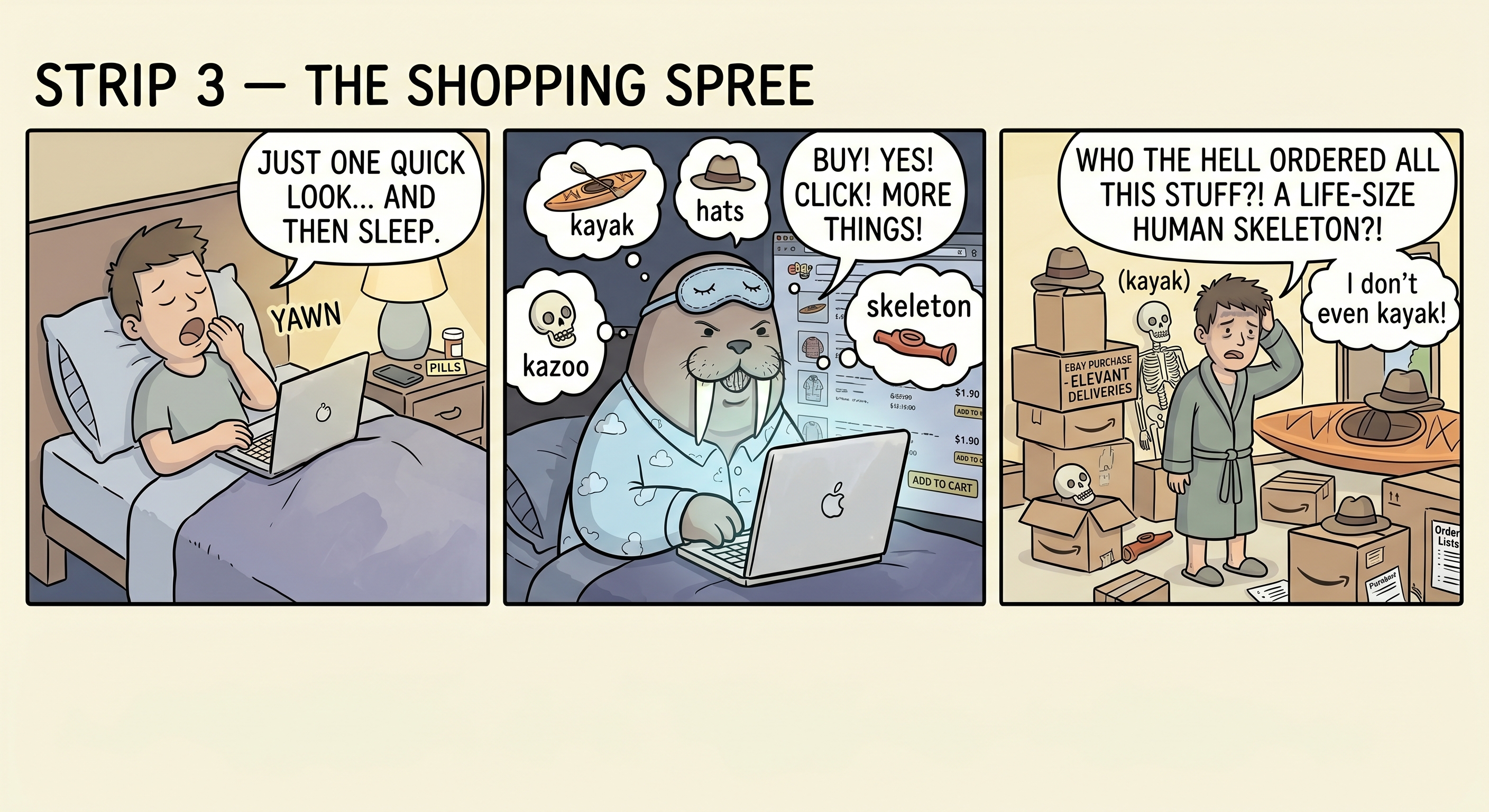
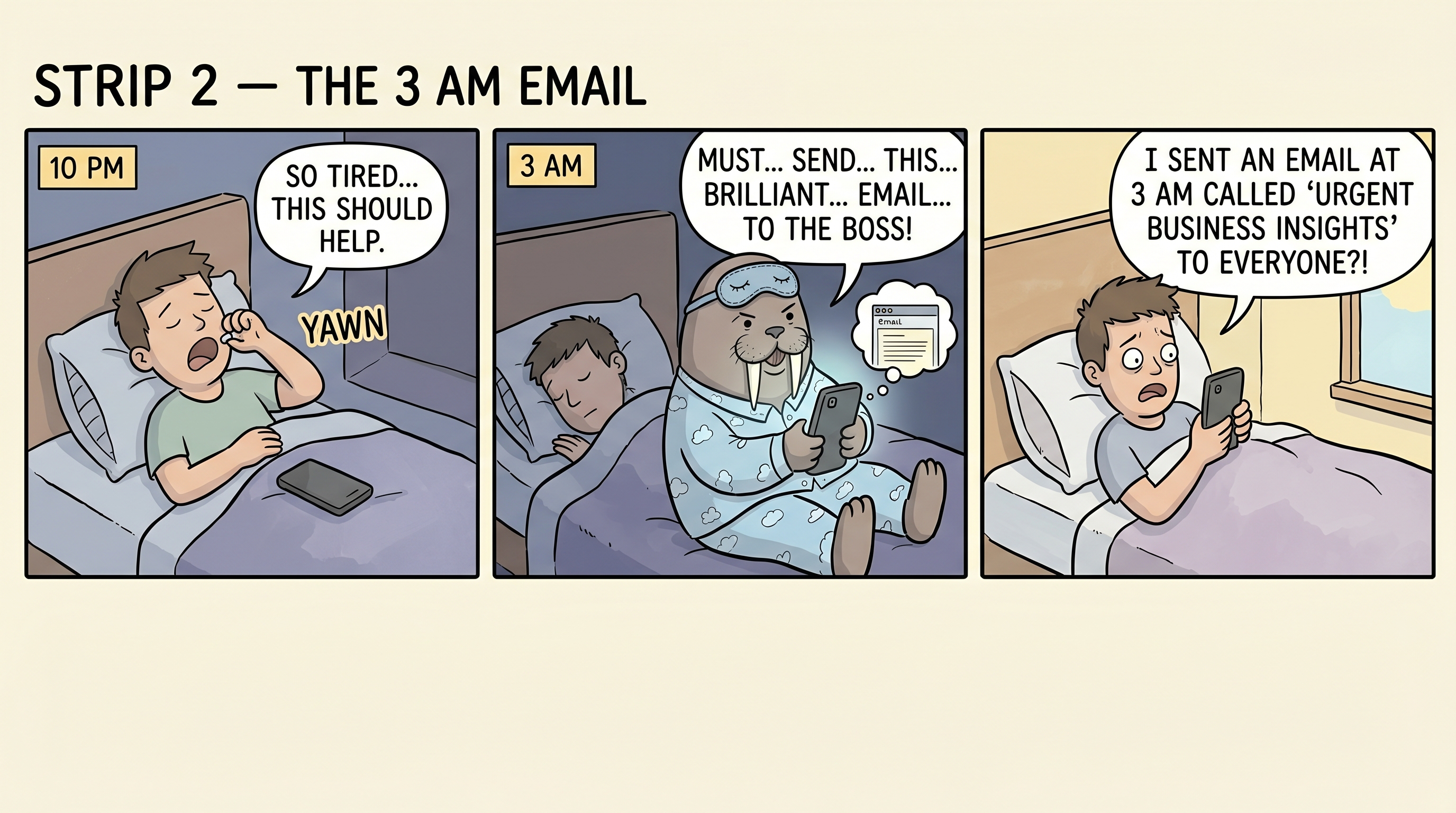
A few field versions of the Walrus, courtesy of generative AI. Pretty close, honestly.
The next-day grogginess myth, sort of
Patients tell me Ambien doesn’t leave them groggy. They mean it doesn’t feel like Benadryl or trazodone the next day, and that’s true. The subjective hangover is mild for most people. The objective impairment runs in a different direction entirely.
Driving simulator studies show measurable impairment 8 hours after a 10mg dose, particularly in women. People who feel fine on the surface are reacting slower, making more lane errors, missing turn signals. The drug also messes with sleep architecture, cutting deep slow-wave sleep and REM, which is part of why long-term users feel rested but unrefreshed. You slept. You didn’t necessarily sleep well in the way that matters for memory consolidation and mood.
5mg for women, 10mg for men
FDA cut the women’s starting dose in half in 2013 after data showed slower clearance and higher morning blood levels. If your bottle says 10mg and you’re a woman, ask why.
Designed for 2 to 4 weeks
The original label and every clinical guideline says short-term. Tolerance starts within weeks. Most people on it for a year are managing dependence, not insomnia.
Black box for complex sleep behaviors
Sleep-driving, sleep-eating, sleep-texting with no memory the next morning. Rate is small per dose, but cumulative over months it’s not small.
Why CBT-I outperforms Ambien long-term, and why nobody offers it
The actual evidence-based treatment for chronic insomnia isn’t a pill. It’s cognitive behavioral therapy for insomnia, CBT-I, a six to eight week protocol that includes sleep restriction, stimulus control, and some cognitive work around the catastrophizing that builds up when you’ve been a bad sleeper for years. Head-to-head studies put CBT-I ahead of zolpidem at six months and way ahead at twelve months. The pill works while you’re on it and stops when you stop. CBT-I retrains the system so you don’t need the pill.
The reason nobody offers it is logistical. There aren’t enough trained CBT-I therapists in the country, insurance reimbursement is uneven, and it’s easier for a 12-minute primary care visit to end with a prescription than with a six-month-waitlist referral. There are decent app-based versions now (Sleepio, Somryst, the VA’s CBT-i Coach) for motivated patients, and that’s what I point people at when I can’t find a human who does it.
How long should anyone actually be on Ambien
The label says short-term. Literature says 2 to 4 weeks, occasionally longer for situational insomnia. Real-world prescribing runs into years. I’ve inherited patients who’ve been on it since 2009.
If you’ve been on it a month and you’re sleeping well without weird nights, that’s a reasonable place to start thinking about a taper. Stopping Ambien cold after long-term use produces rebound insomnia that’s worse than the original problem, which is how a lot of people decide they “need” the drug forever. They don’t. The sleep system is recalibrating, and if you ride it out for two to three weeks while doing the CBT-I basics (consistent wake time, no screens in bed, no clock-watching at 3 AM, no naps), the rebound resolves and you sleep again.
If you’ve been on it for years, taper slow. Cut by 25% every two weeks, switch to alternating nights, add a non-controlled bridge like low-dose trazodone or doxepin if needed, and use the time to actually install the behavioral pieces. Slower than people want, but it lands.
The honest version of the Ambien conversation is that it’s a useful drug for a narrow window, gets used way outside that window, and most of the people on it long-term would sleep better six months from now if they did the unsexy behavioral work and got off it. Most of them have never had anyone tell them there was another option, which is a failure of the prescribing system, not the patient.