Where I refer for detox and methadone I don't run detox here. Don't run a methadone clinic either. Different programs, different regs, different rhythm.
Sections
Where I refer for detox and methadone
I don’t run detox here. Don’t run a methadone clinic either. Different programs, different regs, different rhythm. What I do is hand the front-end piece off to people I trust and pick up the outpatient piece myself.
Places I send patients:
- Rose City Detox. I know the medical director here personally and I love his philosophy. This is my first call when someone needs the medically-supervised withdrawal piece before we can talk maintenance. They can start methadone during detox if that’s the path.
- Discover Recovery. Larger company, regional, but I know people who work there and trust them. I refer here when residential or intensive outpatient is what fits and the local lane isn’t enough.
- Discovery Behavioral Health. Similar story to Discover Recovery, larger system, regional reach. I have colleagues who work there. Good fit when the mental-health side is the bigger problem and substance use is along for the ride, and the patient needs a more clinical inpatient setting.
- Acadia. National. I can’t pretend to have direct working knowledge of an organization this size, but the people I know who have worked in the Acadia system do good work, and when a patient genuinely needs more than the local solutions around here can honestly handle, I send them there.
- Integrative Health Clinics in Milwaukie, Oregon, for ongoing methadone. I’m a per diem provider there. Methadone is federally regulated and only dispensed through licensed opioid treatment programs, so the dosing happens there and I pick up the rest of the picture on my end.
There are other clinics in the region. These are the ones I have a real working relationship with and know how they run things. I send patients to providers I’ve watched handle real cases, not directory listings.
The choices are still the patient’s. The meds make the choices doable when the system is wrecked.
Narcan in the medicine cabinet
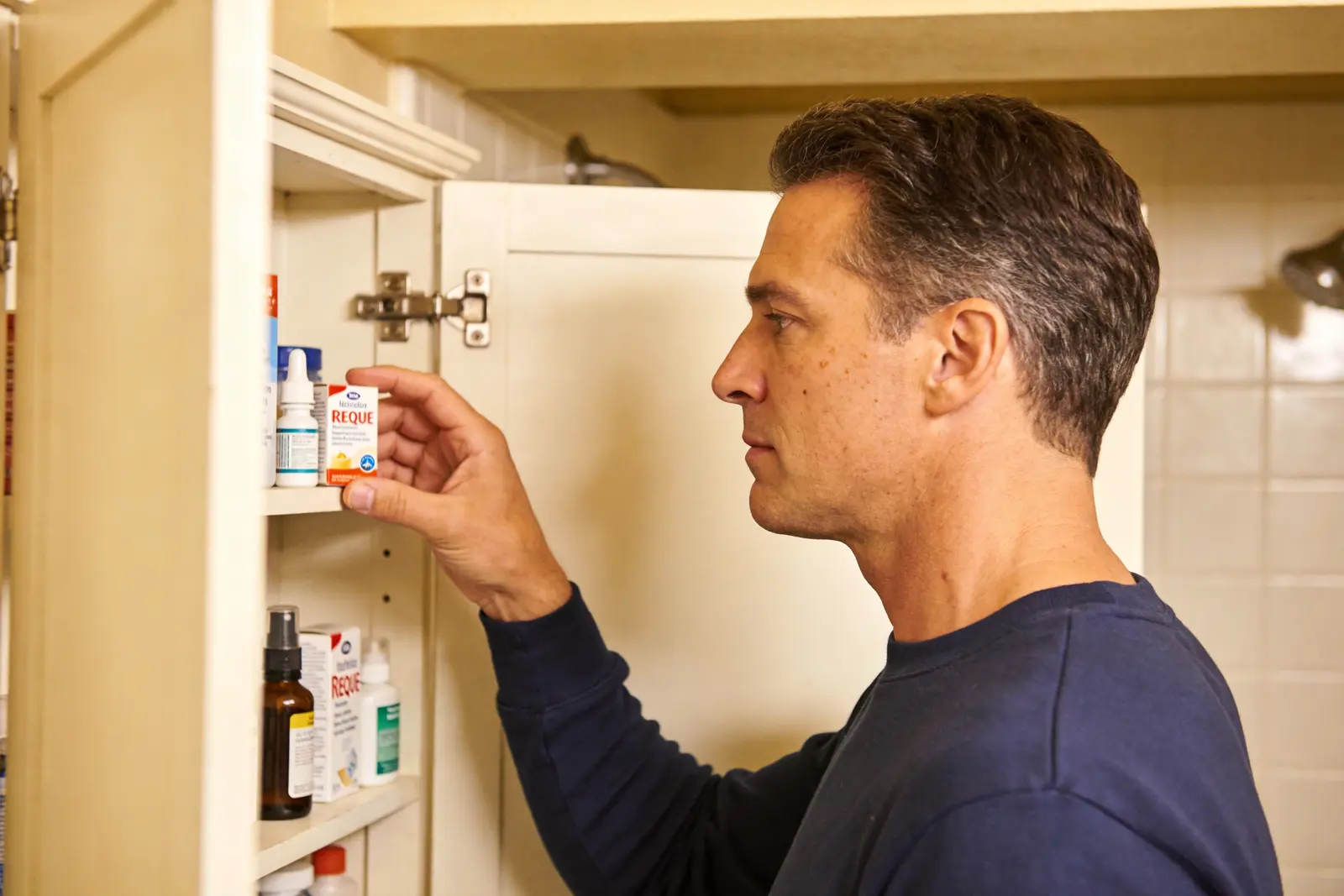
Narcan is the overdose reversal spray. It’s naloxone, same family as the naltrexone in Vivitrol, much shorter-acting. Up the nose, one dose is 4mg, it competes the opioid off the receptor in two to five minutes, breathing comes back. The person wakes up in immediate withdrawal, which is unpleasant, which is also the chemical proof that they’re alive, which is the entire point.
The window is the part to know. Naloxone wears off in 30 to 90 minutes. Most fentanyl overdoses that get reversed by Narcan need a second dose, sometimes many, because the opioid that caused the overdose outlasts the naloxone, especially fentanyl which is fat-soluble and keeps re-releasing. Call 911, give a dose, give another if breathing slows again, stay until paramedics arrive. That’s the whole protocol. No prescription required in Oregon or Washington, over the counter at any pharmacy, often free through state harm reduction programs. Every household with somebody using opioids should have Narcan within reach. Every household with somebody on Suboxone or Sublocade should also have it, because the buprenorphine doesn’t make somebody immune to a fentanyl-laced relapse, it just makes the relapse much less likely to kill them. Twenty bucks at the pharmacy. There’s no downside to having it and a real downside to not.
Alcohol, briefly, because the meds overlap
Alcohol use shares one med with opioid use, which is naltrexone. FDA approved for both. Vivitrol works for both. The way it works for drinking is that some of the buzz rides on your own natural opioids hitting the same receptors, so blocking those receptors flattens the reward. Patients on naltrexone often describe drinking as feeling pointless, which sounds depressing and is actually the goal. The Sinclair Method takes this one step further, take a 50mg naltrexone pill about an hour before drinking, drink as you’d otherwise, and the brain’s reward-learning machinery slowly unlearns the alcohol-equals-reward association because the reward signal isn’t getting through (Sinclair 1998). Over months the urge to drink fades. For the patient who can’t or won’t commit to no drinking, it’s a different model and a useful one.
Acamprosate (Campral) is the second drinking med worth knowing. It works on glutamate and GABA balance and helps with the chronic low-grade unease, sleep disruption, and restlessness that drag on for weeks after the last drink. It’s a three times a day pill, which is a pill-burden problem, but for the patient who’s stopped drinking and is struggling with the background noise of post-acute withdrawal, it helps. Disulfiram (Antabuse) is the old aversive option that makes you violently sick if you drink, and it works for the small subset of patients who want a chemical commitment device. Most don’t.
The “MAT is just trading one drug for another” line
You’ll hear it from 12-step circles, from family members, sometimes from other clinicians. It’s wrong. A patient on adequate buprenorphine isn’t high, isn’t impaired, isn’t chasing a feeling, isn’t building tolerance the way somebody using fentanyl is. They’re on a medication that occupies a remodeled receptor system at a steady, controlled level, so the rest of their life can actually happen. Same logic as a blood pressure med, or insulin. The wiring’s different, the med holds the system in a livable range, and the guy gets to run his actual life on a brain that’s steady instead of one that’s all over the place.
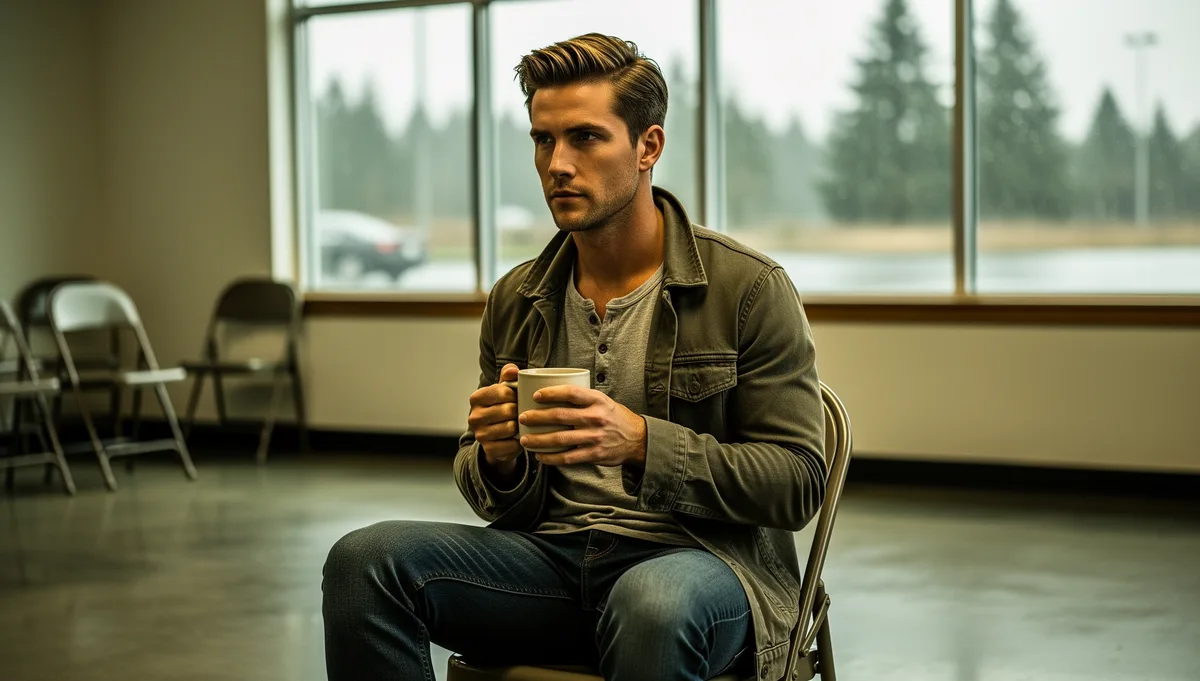
The version of this that costs the most lives is the 12-step world’s long running pattern of telling patients on Suboxone they aren’t really sober, that they’re cheating, that they have to taper off before they can really be in recovery. Some meetings have updated. A lot still haven’t. Patients listen, taper off, relapse, die. That isn’t hypothetical, it’s a documented pattern, and it’s one of the clearest examples of an abstinence only ideology being applied to a condition that doesn’t respond to abstinence only. The 12-step model is useful for some patients for some parts of treatment. It isn’t a substitute for buprenorphine or methadone in somebody with serious opioid use, and anybody telling a patient otherwise is, on this particular topic, a damn liar, and people die because of it.
How this actually runs
A real intake, not a five minute screening. The first appointment is long, we talk about what’s going on, what you’ve tried, what the current supply looks like, whether it’s fentanyl or pills or both, whether there’s a drinking piece, whether there’s depression or anxiety or trauma sitting underneath, whether your housing and work situation is stable enough to support outpatient or whether we need to coordinate detox first through Rose City. No urine drug screen as an entry hurdle, no judgment about active use, no requirement that you stop using before we start. The older model of “come back when you’re clean” was exactly backward. The guy who’s still using is the guy who most needs the medication, and asking them to clear the hardest hurdle on their own before treatment begins is asking them to do the impossible part alone.
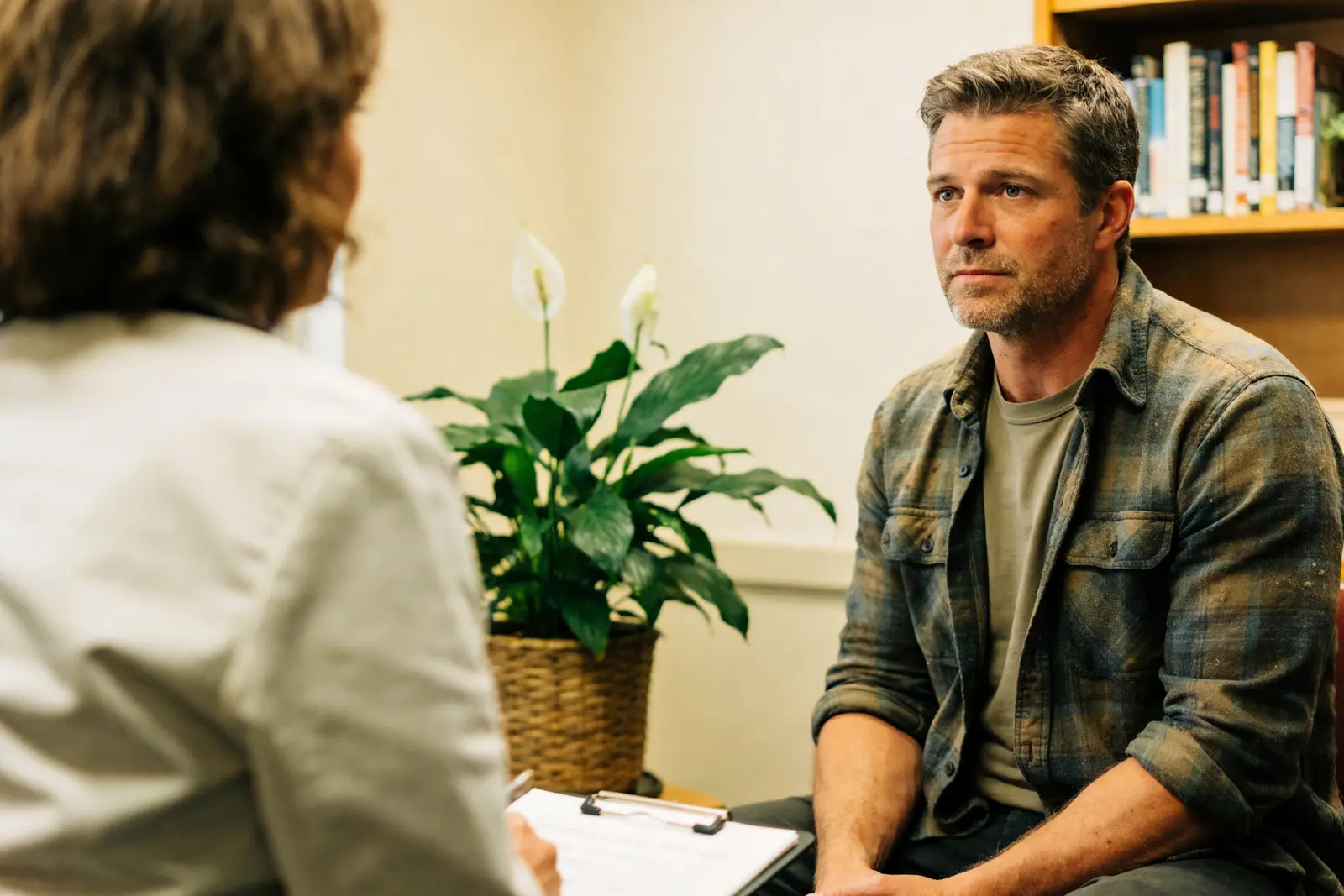
Telehealth or in-person, Oregon and Washington both. Suboxone gets prescribed and sent to your pharmacy after the first visit. Sublocade and Vivitrol injections happen at the clinic, monthly. For methadone, I refer to Integrative Health Clinics in Milwaukie and stay in coordination with the team there. For detox, Rose City. If somebody comes in actively using fentanyl and a detox isn’t the right call, we use the microdosing induction protocol so we can start the medication without putting them through a forced withdrawal window first. The whole point is removing barriers, because every barrier is a place where somebody falls out, and falling out of treatment in 2026 means going back to a supply that wasn’t survivable the first time.
How long are people on these meds
Long-term maintenance is the rule, not the exception. The damage chronic opioid use does to the wiring takes a long time to settle back down, and for some guys it never fully does, same way some people with depression need the antidepressant for life and some don’t. Most of the patients I see on Suboxone or Sublocade are on it indefinitely, and that’s a good outcome, not a failure. Some patients, after years of stability, want to taper, and a slow taper over six to twelve months is reasonable to attempt. The patients who taper successfully are usually the ones who have several years of stable work, stable housing, stable relationships, and a real set of non-medication supports in place before they start. The patients who try to taper early, while everything else is still rebuilding, mostly end up relapsing and going back on the medication, which is also fine, you just lose the time it took to taper.
The thing not to do is set up the medication as a problem to be solved. It isn’t. It’s a treatment for a chronic condition, and the field’s instinct to treat “still on the meds after five years” as a failure to terminate is leftover moralism from the abstinence only era. If the patient is stable, working, has relationships that work, isn’t in active use, and doesn’t want to taper, the right move is to keep doing what’s working. That isn’t set in stone, life changes, brains renormalize at their own pace, and the conversation about tapering can stay open without ever needing to be the goal.
Where I land
You’re the one making the choices. The meds don’t change that, and I’m not going to pretend they do. What they change is whether the choices are survivable in the window where your reward system is remodeled and your morale is shot and willpower alone isn’t going to be enough. Suboxone or Sublocade for most people. Vivitrol for somebody who can get through a clean window and wants an antagonist-only treatment. Methadone through Integrative Health in Milwaukie for the patient who didn’t tolerate buprenorphine, with Rose City handling the detox piece up front if that’s what’s needed. Narcan in the medicine cabinet either way. The supply isn’t getting safer, the stigma isn’t getting smarter as fast as the situation is changing, and if anybody tells you medication is cheating they’re, on this topic, wrong in a way that has a body count attached to it. Get the medication, stay on it as long as it helps, and don’t let anybody talk you off it because they have opinions about what real sobriety looks like.