Sections
Trying a vape or smoking weed doesn’t make your teen a terrible person. It doesn’t make the habit smart either. Parents can skip the horror movie speech, and teens can stop treating “I didn’t instantly die” as a serious argument for harmlessness.
More freedom ought to come with more ability to run your own life. Spending money on something you keep promising to quit, hiding use at school or driving impaired doesn’t demonstrate that ability. Deal with those problems before they get bigger, rather than arguing over whether the kid is basically good.
Get clear about what’s being used
Vaping tells you how something is taken, not what’s in it. It might be nicotine, THC (the main intoxicating part of cannabis), both or something the teen can’t identify. Ask what they use, how often, where it comes from and what happens when they try to stop. Identify the product before the family holds a two hour argument about the wrong substance.
Nicotine can create dependence, with irritability, cravings, sleep problems and difficulty concentrating when you stop. Vaping aerosol can contain harmful substances too. CDC’s health summary describes those effects and unanswered questions about long term harms. Dependence is worth addressing without pretending you know every disease somebody will get later.
“It calms me down” may partly describe relief from nicotine withdrawal. It doesn’t settle every reason the teen uses, so find out. Track when the urge hits and what happened beforehand. The explanation needs to fit the day they actually have, rather than the story either of you prefers.
Tell the truth about weed
Cannabis can impair reaction time, coordination and judgment needed for driving. Feeling capable doesn’t establish that you’re safe. CDC’s driving information also says measuring THC doesn’t neatly measure individual impairment. A number or home test isn’t permission to get behind the wheel.
The claim that every teen permanently ruins their brain needs scrutiny too. A randomized study published in December 2025 compared four weeks of incentives for verified abstinence with a monitoring group. The abstract reports 154 adolescents who regularly used cannabis. The abstinence group improved more on a measure of inhibitory control, without a significant group difference in memory or attention at week four. The abstract reports 238 adolescents overall, including a separate group who didn’t use cannabis. Even the paper can’t keep its own headcount straight: its Methods and Results use different numbers. Keep the groups straight when quoting the result.
That doesn’t establish harmlessness or irreversible damage from every use. I’d take it as a reason to stop and honestly measure what changes. Watch attendance, completed work, money spent and whether the kid follows the plan. One better day doesn’t prove your favorite theory, and neither does one bad one.
Make limits match the actual problem
I’d set a few clear house limits: no supplying substances to other kids, no use at home and no impaired driving. Adults follow the driving rule too. You can’t give the responsibility speech while explaining why the rules take a night off whenever you want them to.
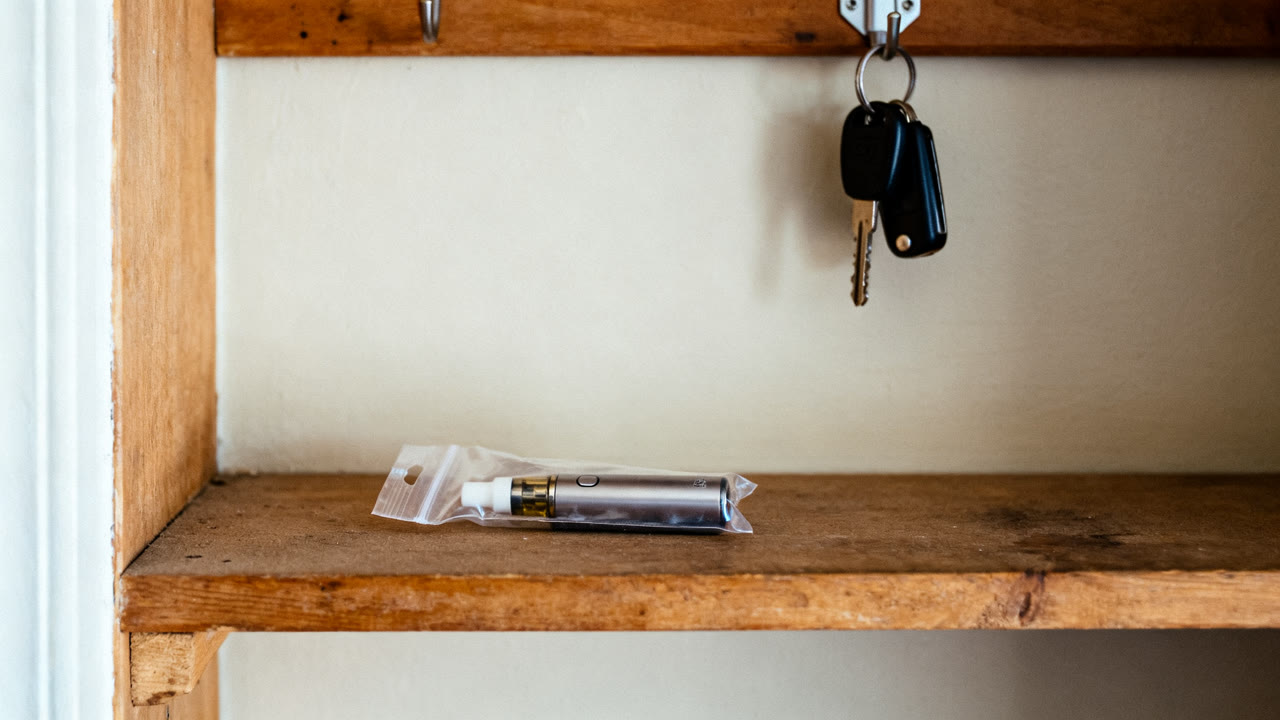
If the teen has driven after use, car access needs to change while you make a safe plan. Explain why, what restores access and when you’ll review it. Cutting off every friend indefinitely because you found a vape isn’t a carefully chosen consequence. It’s you being pissed off and announcing a sentence.
Give them a way to call for a ride without a lecture in the car. Address the rule breaking once they’re home and sober, and say ahead of time that asking for help won’t add punishment. Getting home safely shouldn’t depend on whether they’d rather face danger than your reaction.
Quitting needs more than a demand
Build a quit plan with the teen: a date, getting rid of the supply, changing routines around use and somebody to contact when they want to give up. Repeated failed attempts need their clinician involved. Ask about treatment for their age, product and pattern. Your adult friend’s medication plan isn’t theirs to borrow.
A 2024 randomized trial of 1,503 teens found that an interactive text program increased self reported quitting compared with assessment alone. At seven months, 37.8 percent of the program group reported no vaping in the previous thirty days, compared with 28 percent of the comparison group. They already wanted to quit, and the result was self reported. That’s useful evidence for actual help, rather than another demand to just stop.
Adults handle access and their own example at home. Put the products out of reach, and stop making getting high your answer to every rough day while asking the kid to learn something else. Modeling, access, routines and practice matter a lot to me because a family can change them. That doesn’t make every substance problem the parents’ fault.
Breathing trouble, collapse, severe chest pain, seizures or someone who can’t be awakened need emergency care. Sudden severe confusion or unsafe behavior after use needs urgent assessment. Tell the medical team as honestly as possible what was used.
The teen owns their choices; adults need to keep their own word. Write down the use pattern, the first change and the date you’ll check it. “I’ll be better” is easy to say when no one has agreed what happens tomorrow.