Insomnia usually is not a mystery. Your body is tired, but your nervous system is still working overtime.
Sections
- When the system won’t downshift
- Why CBT-I works
- Caffeine and alcohol still count
- What gets loud at night
- Medication has a lane
- What to do first
- Stop treating every bad night like a crisis
- The sleep study question
- The bedroom has to stop being command central
- When short term medication makes sense
- Bottom line
- Sources
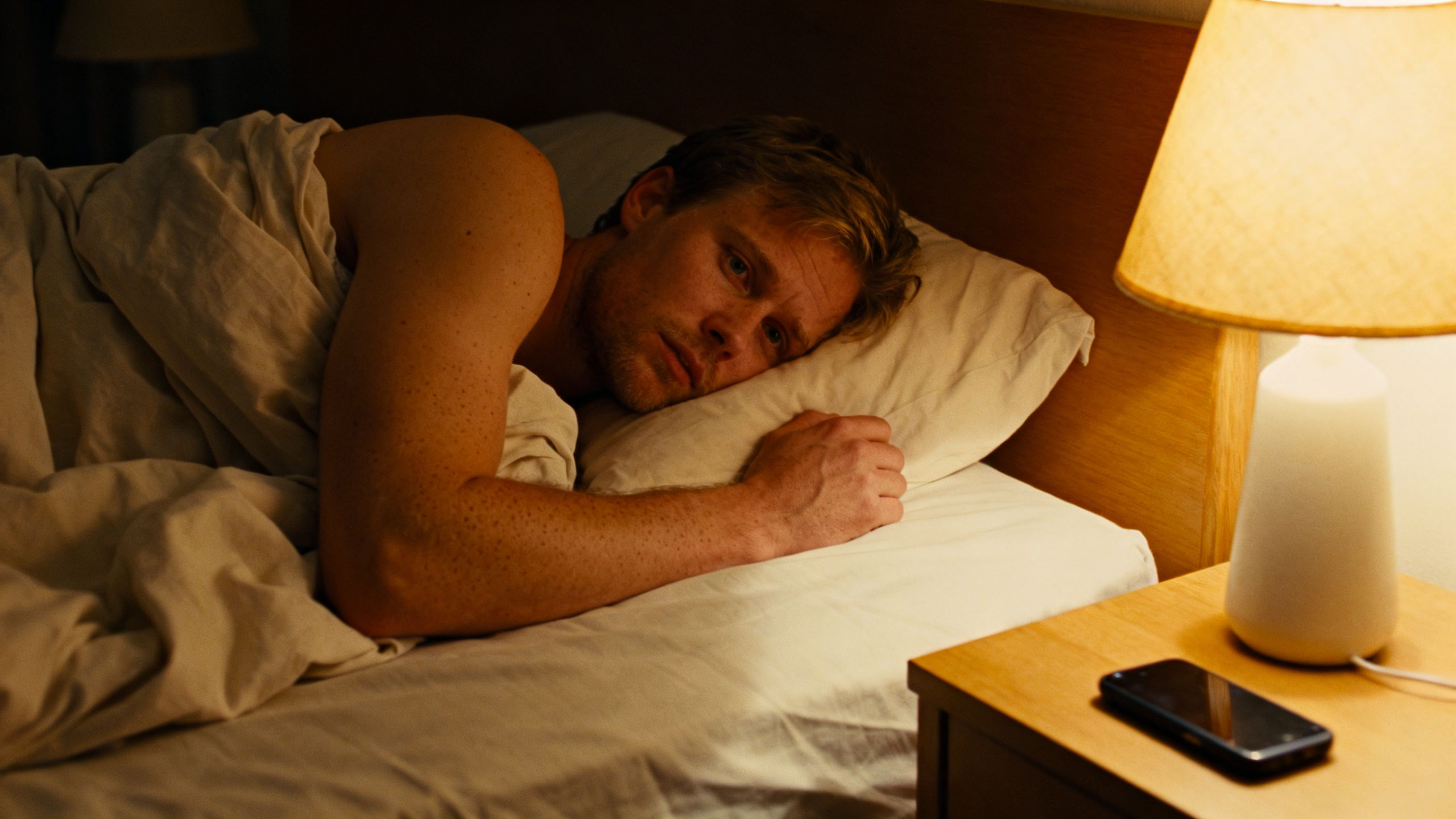
The worst insomnia isn’t being wide awake at midnight. It’s being exhausted and still unable to sleep. Your body is done, your eyes hurt, you have been useless since 8 PM… and then you get in bed and your brain starts running tabs on everything you owe, said, or forgot.
That’s the part people miss. A lot of insomnia isn’t a lack of sleepiness. It’s arousal showing up at the wrong time. Your body is tired, but the threat system is awake. The brain starts reviewing money, work, sex, health, your parents, your kids, the email you forgot, the weird thing you said in 2019, and whether tomorrow is already ruined.
Then you start trying to sleep, which is the fastest way to make sleep leave the room.
When the system won’t downshift
The hyperarousal model isn’t fringe. The research is solid enough that it’s basically the working consensus now. Chronic insomnia is often the nervous system staying too activated at night: higher cognitive arousal, more body tension, more monitoring, more worry about sleep itself, more wakefulness trained into the bed.
This is why people say things like, “I was falling asleep on the couch, then I got into bed and woke up.” The bed has stopped being a sleep cue. It has become the place where the brain performs the nightly audit.
And because humans are very good at making bad loops worse, the fear of not sleeping becomes part of the insomnia. One rough night turns into dread. Dread turns into checking the clock. Checking the clock turns into math. “If I fall asleep now I can still get five hours.” Congratulations, you’re now doing arithmetic in bed while trying to become unconscious.
Why CBT-I works
CBT-I is cognitive behavioral therapy for insomnia, which is a terrible name for something that actually works. It’s not just “go to bed at the same time” dressed up in a binder. It’s a behavioral retraining program for sleep, which sounds unimpressive until you realize most sleep drugs don’t actually fix the problem.
The core moves are stimulus control, sleep restriction, cognitive work, and boring consistency. Stimulus control means the bed becomes a cue for sleep again, not scrolling, worrying, fighting, eating, emailing, or lying there furious at your own skull. Sleep restriction means you temporarily compress time in bed so the body relearns sleep pressure, then gradually expand it as sleep gets more efficient. It’s annoying, and it also works.
The rule most people need first is simple: if you’re awake long enough to get pissed off, get out of bed. Not forever. Not to start your day. Get up, dim light, boring chair, boring activity, no phone carnival, and come back when sleepy. You’re retraining the association. Bed means sleep, not “place where I fail for three hours.”
Your bed is supposed to tell your brain it’s time to shut down. A lot of people accidentally trained it to do the opposite.
Caffeine and alcohol still count
Caffeine has a long half life. You don’t get to drink a giant coffee at 3 PM and act shocked that your nervous system still has opinions at midnight. Some people metabolize it faster, some slower, but if sleep is broken, caffeine timing is one of the first boring variables to clean up.
Alcohol is worse because it lies. It can help you fall asleep and then wreck the second half of the night. More awakenings, worse REM sleep, more sweating, more bathroom trips, more 3 AM dread. The guy says alcohol helps him sleep because he remembers falling asleep, not because he slept well.
Cannabis can do the same kind of trick for some people. It may help with sleep onset, but tolerance, REM suppression, morning fog, and rebound insomnia when stopping can all show up. If you need a substance every night to sleep, the substance may be treating the symptom while quietly owning the problem.

What gets loud at night
Depression gets loud at night because there’s nothing left to distract you, and anxiety piles on the second the calendar stops moving and your brain decides that’s its cue to solve every problem in the Western hemisphere. Trauma wakes you up at 2 AM with your heart already going, and your brain doesn’t bother explaining why.
ADHD can wreck sleep too. Not because ADHD means no sleep, but because the ADHD brain is very good at revenge bedtime, dopamine hunting, task avoidance until midnight, and suddenly deciding the closet must be reorganized right now. Bipolar disorder matters because decreased need for sleep isn’t insomnia. If a guy is sleeping three hours and feels amazing, energized, fast, sexual, grand, and unusually productive, that’s a different conversation than insomnia.
Sleep apnea matters more than people want it to. If you snore, wake up choking, wake with headaches, have high blood pressure, carry weight around the neck or belly, or feel dead despite enough hours, get screened. You can’t CBT-I your way out of an airway that keeps collapsing.
- Caffeine after lunch counts, even if you think you’re immune.
- Alcohol can knock you out and still wreck the second half of the night.
- Snoring, choking awake, morning headaches, and daytime exhaustion deserve sleep apnea screening.
Medication has a lane
Sleep medication can be useful. Trazodone, doxepin, orexin antagonists, ramelteon, Z drugs, hydroxyzine, mirtazapine, sometimes quetiapine when the diagnosis actually justifies it. The problem is using medication to avoid the questions that matter: why is sleep broken, what pattern is maintaining it, and what’s the exit plan?
A sleeping pill can buy time. It can stabilize a crisis. It can help when depression or anxiety is being treated and sleep is the piece that keeps dragging the whole thing down. But if every answer is another bottle and nobody asks about caffeine, alcohol, apnea, panic, bipolar symptoms, trauma, bed habits, and clock watching, you’re getting sedated on a refill schedule and nobody’s asking why you can’t sleep.
Melatonin deserves a special complaint. It isn’t a horse tranquilizer. Most people take too much, too late, and for the wrong problem. It’s a circadian timing signal, not a general sleep hammer. If you take a huge dose at bedtime and wake up groggy, the problem may not be that you need a stronger supplement. The problem may be that the whole strategy is wrong.
What to do first
Pick the boring moves because they’re the ones that actually work. Wake up at the same time every day for two weeks. Get morning light. Stop caffeine early. Cut alcohol for a real trial, not three nights. Keep the phone out of the bed. If you’re awake and angry, get up until sleepy. Don’t nap while you’re trying to rebuild sleep pressure. Screen for apnea if the signs are there.
None of this is sexy. It’s also the stuff people skip while buying blue light glasses, magnesium gummies, and another sleep podcast. If nobody asks these questions, you get another bottle of melatonin and another month of lying there doing sleep math at 2 AM.

Stop treating every bad night like a crisis
A bad night isn’t automatically a relapse. This matters because the panic about the bad night can become the next bad night. The guy sleeps poorly on Monday, spends Tuesday monitoring his brain, cancels the gym, drinks extra coffee, naps at 5 PM, stares at the clock at midnight, then acts shocked when Tuesday night is worse. He didn’t just have insomnia. He built the perfect recovery plan for keeping it alive.
The better move is boring. Keep the wake time. Get outside. Keep caffeine sane. Don’t nap your way out of sleep pressure. Don’t spend the day doing forensic analysis of every minute you were awake. If you need to adjust the plan, adjust the plan, but don’t let one rough night turn the whole day into a ceremony around sleep.
People with insomnia start making sleep too important. That sounds backward because sleep is important, but the obsession is gasoline. The goal isn’t to care less about health. The goal is to stop making sleep a nightly performance where your identity, job, marriage, and tomorrow’s mood are all supposedly decided by what happens in the next eight hours.
The sleep study question
A lot of men want CBT-I when what they need first is an airway checked. If you snore, wake up gasping, wake with headaches, have high blood pressure, carry weight around the neck or belly, or feel crushed even after enough hours in bed, sleep apnea has to be on the table. It isn’t a character flaw. It’s your airway collapsing while you’re trying to sleep.
That distinction matters because insomnia and apnea can overlap. A guy can have anxiety about sleep and still stop breathing at night. He can wake at 3 AM and blame stress while his oxygen is dropping. He can take sedating medication and make untreated apnea more complicated. The right order isn’t always “therapy first” or “pill first.” Sometimes the first move is finding out whether the body is being yanked awake for a mechanical reason.
Once the medical pieces are checked, the behavioral work gets cleaner. Then stimulus control isn’t fighting an airway problem. Sleep restriction isn’t being layered on top of untreated apnea. Medication isn’t being asked to sedate a problem that needed a machine, a dental device, weight loss, positional work, or an ENT conversation.
The bedroom has to stop being command central
A lot of insomnia treatment fails because people keep the bed as the headquarters for everything except sleep. Work laptop, phone, arguments, porn, food, bills, medical Googling, replaying the day, planning tomorrow, checking whether the partner is mad. Then they wonder why the brain doesn’t walk into that room and shut down on command.
You don’t have to become precious about it. This isn’t a wellness ritual. It’s conditioning. If the bed is where the brain worries, scrolls, fights, and performs the nightly audit, the bed becomes a cue for being awake. If the bed is mostly where sleep happens, the cue starts working in the right direction again.
That’s also why “just lie there and rest” can backfire for chronic insomnia. Rest sounds harmless, but for the guy who’s activated and angry, lying there for two hours teaches the bed to mean failure. Get up before the bed becomes the place where you practice being awake.
When short term medication makes sense
There are times when medication is reasonable. Acute grief. A medication change that temporarily wrecked sleep. Severe anxiety while the real treatment is starting. Depression where sleep loss is making everything worse. Travel or schedule disruption that needs a short bridge. The problem isn’t medication having a role. The problem is medication quietly becoming the whole plan.
A good medication plan has a target and an exit. Sleep onset, middle insomnia, early morning waking, nightmares, circadian timing, panic at bedtime, all of those point to different choices. “Make me unconscious” isn’t specific enough. Neither is “I just need something stronger.” Stronger can mean worse if the diagnosis is wrong.
If a pill helps, use the window to rebuild the pattern. If it doesn’t help, don’t keep escalating without asking why. Sedation isn’t the same thing as treatment, and a refill isn’t the same thing as a sleep plan.
Bottom line
You can’t force sleep by trying harder. Most chronic insomnia gets better when you stop treating the bed like a place to wrestle your brain into submission and start retraining the system that taught the bed to mean wakefulness.
CBT-I is the boring answer because the boring answer is usually the right one. Fix the cues. Fix the schedule. Stop feeding the 2 AM math problem. Use medication when it has a job, not because nobody wanted to ask the harder questions.
Sources
- Riemann D, Spiegelhalder K, Feige B, et al. The hyperarousal model of insomnia: a review of the concept and its evidence. Sleep Med Rev. 2010. PMID 19481481.
- Edinger JD, Arnedt JT, Bertisch SM, et al. Behavioral and psychological treatments for chronic insomnia disorder in adults: an American Academy of Sleep Medicine clinical practice guideline. J Clin Sleep Med. 2021. PMID 33164742.
- Koffel E, Bramoweth AD, Ulmer CS. Increasing access to and utilization of cognitive behavioral therapy for insomnia: a narrative review. J Gen Intern Med. 2018. PMID 29619651.