Most people think depression looks like sadness… someone crying, withdrawn, hopeless, visibly falling apart. And sometimes it does look like that, sure, the brochure version is real.
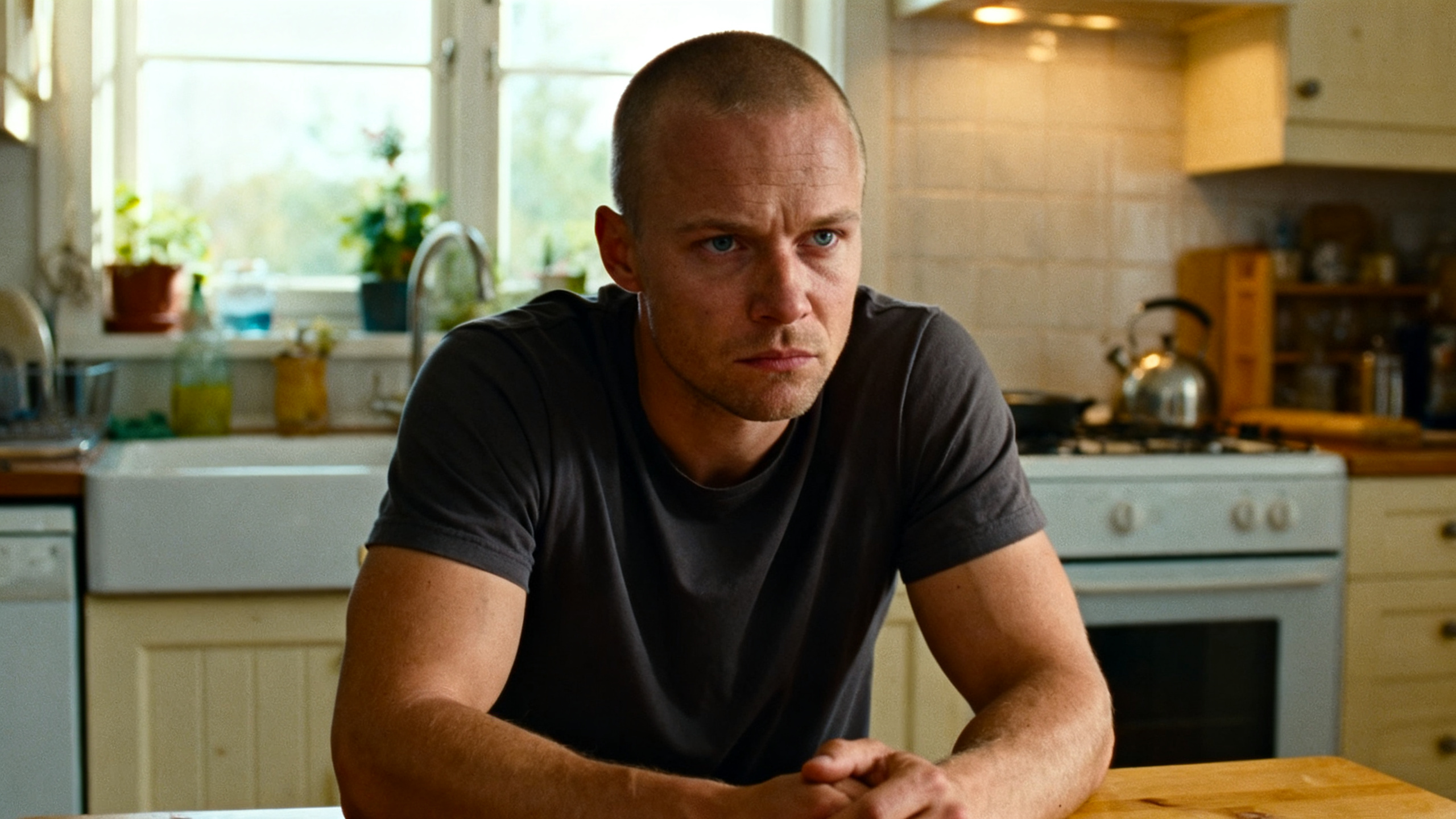
But in guys, it often looks like none of that. The guy doesn’t cry, he gets pissed off at his email. He drinks four beers instead of two. His back hurts and his GP can’t find anything wrong. He’s working until 11 PM because going home means sitting with whatever this is and he doesn’t have a name for whatever this is. Nobody calls it depression. He doesn’t call it depression. It grinds on for years.
Nobody calls it depression.
The diagnostic stuff doesn’t actually require sadness… it requires persistent low mood, which can absolutely show up as being short-tempered, with loss of interest in stuff you used to like on top of that, plus some combination of wrecked sleep, weight or appetite changes, fatigue, trouble concentrating, feeling worthless, and the occasional dark thought about not being around. You can hit a clean six of those without ever feeling what a layperson would call sad. The DSM (the psychiatric diagnostic manual, basically the field’s checklist for what counts as what) has known this for thirty years. The general public hasn’t caught up, and that includes a lot of the guys walking around with it.
The guy who didn’t think he was depressed
The men who end up across from me almost never show up saying they’re depressed. They show up because somebody made them. Wife gave an ultimatum, HR sent them, the DUI judge sent them, kid said something that landed wrong and stuck. They sit down already annoyed about being there, with their arms crossed, sometimes still wearing the work fleece.
The most common version goes something like this. Say you’ve got a guy who comes in because his wife said either therapy or she was leaving, spends the first ten minutes telling me he isn’t depressed, just stressed about a reorg at work. Fine, I’ll bite. So I ask the boring questions instead… sleep is four to five hours a night, waking up at 3 AM, drinking is six or seven beers most nights, last time he genuinely enjoyed something he can’t actually name, weight is up twenty pounds in the last year or two, sex drive is gone, snapping at the kids most days, and yeah, sometimes thoughts about not being around but not in a plan kind of way. That’s depression. Textbook. He’s been in it for at least two years and has never once used the word about himself because he wasn’t crying and he was still hitting his deliverables, which is the modern American man’s bar for “I must be fine.”
The vocabulary problem
Guys describe depression in functional language, not feeling-words. They’ll tell you their sleep is wrecked, their back is killing them, they can’t focus, they’re stressed, they’re in a rut, they don’t have the bandwidth, work is a lot right now. They will not tell you they feel sad, mostly because they don’t feel sad… they feel flat, irritable, foggy, dead in the chest. Sadness is what their teenage daughter feels when a friend ghosts her, this other thing doesn’t even have a name in their vocabulary, so they reach for whatever’s nearby. Usually stress. Usually work.
Guys describe depression in functional language, not feeling-words.
This matters because the screening tools mostly ask about sadness in plain language. “Have you felt down, depressed, or hopeless?” A guy with classic male-pattern depression will check no, no, no, and walk out of his physical with a clean bill of mental health, then go home and drink himself to sleep on the couch. Which is kind of an indictment of the screening tools, honestly, but they’re what we’ve got, and the workaround is asking better questions.
The guys who need treatment most are the ones who’d rather die than say the word depression out loud.
Add the cultural piece, which I won’t lecture about because everyone has heard it, but the short version is that for a lot of guys, admitting to depression feels like admitting to being broken. So even when they have the vocabulary, they don’t use it, they route around. Chiropractor for the back pain, cardiologist for the chest tightness, urologist for the disappeared sex drive. Three specialists, three negative workups, three copays, nobody asks about mood, and the depression keeps cooking. Honestly, the field could fix half of this just by having the GP ask one more question.
The shapes that get missed
A few patterns that come up a lot.
The short fuse
Snapping at the kids, the wife, the guy who cut him off in traffic. Road rage. Everything is irritating. He thinks he’s just stressed, his family thinks he’s becoming kind of a douche. It’s often depression underneath.
Aches that don’t add up
Back pain, headaches, gut issues, fatigue, the chest tightness that sends him to the ER. Workup comes back clean, nobody asks about mood, he goes home with a muscle relaxer and a follow-up he won’t keep.
The 70-hour weeks
Overworking as the off-switch. He looks productive from outside, inside he’s running because slowing down means whatever this is catches up. Promotion-worthy and falling apart at the same time.
Then there’s the drinking. A huge chunk of male depression shows up first as a drinking problem, because alcohol does in fact make the symptoms quieter for about ninety minutes… it also tanks sleep architecture, drops mood the next day, and accelerates the spiral. By the time anybody notices the drinking, the depression underneath has been compounding for a long time. Almost never do I treat a forty-something male drinking problem without finding depression sitting under it like the floor under the carpet.
Recklessness is a quieter one. Driving 95 on the way home from a thing he didn’t want to be at, picking a fight at the bar, an affair that doesn’t make sense to anybody including him. Reads as a midlife crisis on the outside, sometimes that’s all it is, sometimes it’s a guy whose internal world has gone so flat he’s reaching for any input that’ll register on the meter at all. The chess game his brain is playing with itself is mostly about getting something, anything, to show up on the dial.
The medication conversation guys actually have
When I bring up medication, the resistance is predictable and it’s almost always the same three concerns. Before I get into them, though, the framing matters… if you want medication, you get medication. I’m a provider, not a parent. My job is to give you my honest take on what’s likely to work and what the trade-offs are, your job is to decide what you want to do with that information. I hardly ever say no. The most I’ll do is make it a disapproving yes, where you walk out with the prescription and a clear idea of what I’d watch for and why I wasn’t thrilled about it. The choice belongs to the guy in the chair, not me.
One: it’ll change who I am. No, it won’t. SSRIs (the most common antidepressant class, the Lexapro / Zoloft / Prozac family) at therapeutic doses don’t reshape personality, they take the floor of your mood from a 2 to a 5. The guy you were when you were doing well, that guy comes back. The guy you’ve been for the last three years, on no medication and four hours of sleep and too much bourbon, that’s not your real personality, that’s what depression looks like wearing your face for a few years.
Two: it’ll wreck my sex drive. This one is real and I won’t bullshit anyone about it. SSRIs do cause sexual side effects in a meaningful percentage of guys, delayed ejaculation is the most common, low libido is second. Some drugs are worse for this than others… Wellbutrin (bupropion, an antidepressant that hits dopamine and norepinephrine instead of serotonin) is usually the cleanest on sexual side effects and is often where I start with a guy who flags this concern up front. Sertraline and escitalopram sit in the middle. Paroxetine I almost never use anymore in men, the sexual side effect profile is just rougher than the alternatives. We can dose-adjust, we can switch, there are options. Also worth naming that depression itself nukes libido and erections, and plenty of guys discover their sex life actually gets better on medication because the depression was the bigger driver all along.
Three: I should be able to handle this on my own. This one’s the hardest because it isn’t a symptom, it’s a value. What I usually say is that you don’t judge anyone else for needing medication… you gonna begrudge a diabetic his insulin too? Same organ system logic. The brain is an organ. If it isn’t doing what it’s supposed to, sometimes you give it a chemical assist while you work on the other stuff. Doesn’t make you weak. Doesn’t make you broken. Makes you a guy with a body who’s responding to data.
Starting doses for what I reach for most: sertraline 50mg with room to go up to 100-200mg, escitalopram 10mg with room to 20mg, bupropion XL 150mg with room to 300mg. Four to six weeks before you feel real benefit. The first two weeks can be rough… jaw tension, GI upset, weird dreams, brief uptick in anxiety. Most of that fades. Don’t quit at week two, that’s the single most common reason a med “doesn’t work.”

What’s nice to hear, since this whole post has been about what gets missed
The guys who actually do get treated for this almost never regret it. The single most common thing I hear at the six-week follow-up is some version of “I forgot what it was like to not be tired all the time.” Not a transformation, not a personality change, just the baseline coming back, the version of him his wife remembers, the guy who could enjoy a Sunday afternoon instead of bracing through it. That part doesn’t get said often enough because half the public conversation about antidepressants is about side effects, and the side effects are real but they aren’t the whole story. The other half of the story is the guy who got his life back and didn’t write a blog about it.

What to do if this is you
If you read all this and felt some uncomfortable recognition, the move is to get evaluated. Not to read three more articles, not to take the online quiz, not to wait until things get worse. Get in front of a primary care doc or a psychiatrist and describe what’s actually going on in functional terms… the sleep, the drinking, the irritability, the back pain, the disappeared interest in things you used to enjoy. You don’t have to walk in and announce you’re depressed. You can walk in and say “I’m not myself and I haven’t been for a while,” that sentence does most of the work.
The guys who do that almost never regret it. The guys who don’t usually show up five years later with a worse marriage, a worse liver, and the same depression they had at the start, plus a layer of regret about how long they waited. The hardest part to watch isn’t the depression itself, it’s the years it ate before anybody named it.
Sources
- American Psychiatric Association. Diagnostic and Statistical Manual of Mental Disorders (DSM-5-TR), 5th ed text revision. American Psychiatric Association Publishing, 2022. (DSM-5-TR diagnostic criteria)
- Cipriani A, Furukawa TA, Salanti G, et al. Comparative efficacy and acceptability of 21 antidepressant drugs. Lancet. 2018;391(10128):1357-1366. PMID 29477251.
- Malhi GS, Mann JJ. Depression. Lancet. 2018;392(10161):2299-2312. PMID 30396512.