Atypical antipsychotics can be exactly right for psychosis, bipolar disorder, and depression augmentation. They are not casual sleep pills.
Sections
Atypical antipsychotics are badly named for the way they get used now. Yes, they treat psychosis. They also get used for bipolar disorder, bipolar depression, major depression augmentation, irritability in autism, severe agitation, insomnia, anxiety, PTSD symptoms, and a bunch of messy real world situations where the medication is being used for sedation or mood stabilization more than for hallucinations.
That broad use is why people get confused. A guy sees the word antipsychotic on the bottle and thinks his prescriber secretly believes he is psychotic. Sometimes the answer is no, the drug is being used for mood, sleep, or augmentation. Sometimes the answer is that nobody explained the category well enough. And sometimes the answer is that the medication is being used lazily because it calms people down and the side effect bill comes later.
These drugs can be excellent. They can also make a man gain thirty pounds, flatten his energy, raise his blood sugar, raise his cholesterol, cause movement problems, and turn sleep into the only thing in his life that works. Both things are true, which is why the decision has to be cleaner than “let’s try Seroquel and see what happens.”
What makes them atypical
The older antipsychotics, like haloperidol and chlorpromazine, are usually called typical or first generation antipsychotics. The newer ones are called atypical or second generation antipsychotics. Common names include quetiapine (Seroquel), aripiprazole (Abilify), risperidone, olanzapine (Zyprexa), lurasidone (Latuda), cariprazine (Vraylar), lumateperone (Caplyta), ziprasidone (Geodon), paliperidone (Invega), asenapine (Saphris), brexpiprazole (Rexulti), and clozapine.
The “atypical” label mostly came from the hope that these drugs would cause fewer movement side effects than the older drugs. That is partly true, depending on the drug and the dose, but it came with a trade. Many of the newer drugs cause more metabolic problems: weight gain, insulin resistance, diabetes risk, cholesterol changes. Psychiatry traded one set of problems for another, movement side effects went down, metabolic side effects went up.
They work through dopamine and serotonin systems, but the details vary a lot. Abilify and Vraylar are partial dopamine agonists, so they can feel activating or restless for some people. Seroquel and olanzapine are more sedating and more likely to cause weight gain. Latuda and Caplyta tend to be cleaner metabolically for many patients, but they have their own rules and side effects. Clozapine is in its own category because it can work when nothing else works, but it requires blood monitoring because rare blood problems can be dangerous.

Where they clearly belong
Schizophrenia, schizoaffective disorder, bipolar mania, bipolar depression for certain agents, maintenance treatment in bipolar disorder, severe agitation, and depression augmentation when other antidepressant strategies have not been enough. That is the clean lane.
In bipolar disorder, these medications can be the difference between a man keeping his job and blowing up his life every spring because sleep drops, confidence spikes, spending goes stupid, and everyone around him can see the train coming except him. For psychosis, they can be the difference between hearing voices all day and being able to live an actual life. For depression augmentation, low dose Abilify, Rexulti, Vraylar, Seroquel XR, or Caplyta can help some patients who are stuck halfway better on an antidepressant.
So no, the category is not fake. The problem is not that atypical antipsychotics exist. The problem is that they are powerful enough to be useful and sedating enough to be overused.
The sleep problem
Seroquel for sleep is where this category gets messy. It works for sleep because it is sedating. That does not automatically make it a good sleep medication. A drug can knock you out and still be the wrong choice if the price is appetite, weight, morning fog, restless legs, cholesterol changes, or a medication you now cannot stop because sleep falls apart without it.
There are cases where quetiapine for sleep makes sense, usually when sleep is part of a larger bipolar or psychotic mood picture and the drug is doing more than sedation. But using it as a casual insomnia pill in a guy with no bipolar disorder, no psychosis, no severe mood instability, and no real discussion of metabolic monitoring is sloppy.
If the only target is sleep, there are usually cleaner places to start: CBT for insomnia, doxepin, trazodone, orexin antagonists, ramelteon, sleep apnea screening, alcohol reduction, fixing the schedule, and not pretending five hours of phone light in bed is a mysterious treatment resistant illness.
The metabolic bill
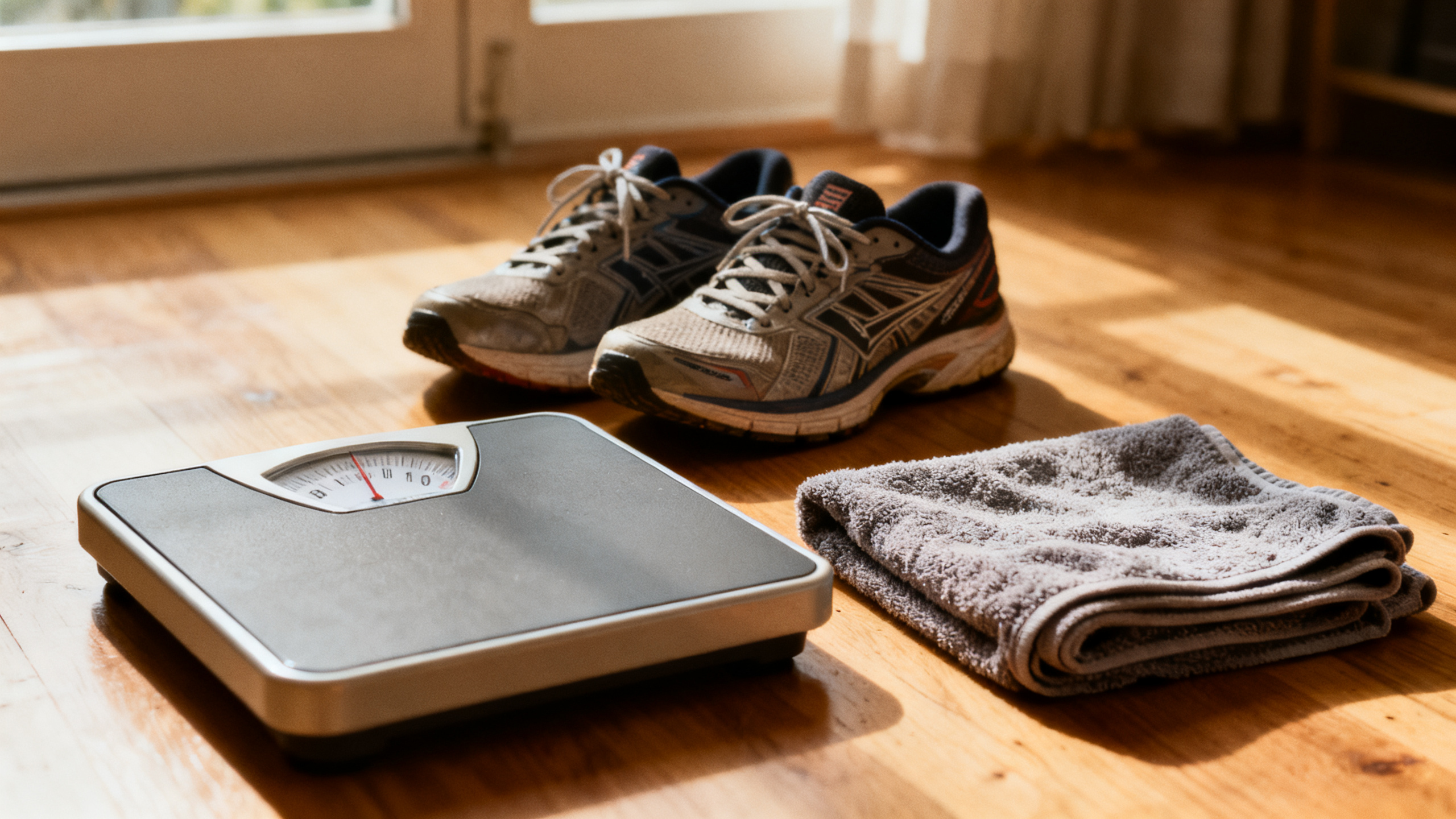
This is the part that should be discussed before the prescription is sent, not after the jeans stop fitting. Olanzapine and clozapine are the biggest metabolic offenders. Quetiapine and risperidone can do it too. Aripiprazole, ziprasidone, lurasidone, cariprazine, and lumateperone are usually cleaner, but cleaner does not mean zero risk.
Weight, waist size, blood pressure, fasting glucose or A1c, and lipids should be checked. Not as theater, actually checked. If a patient gains fifteen pounds in two months, the answer should not be a shrug and “at least you’re sleeping.” That is how psychiatry earns its reputation for noticing side effects only after the patient has already paid for them.
The hard part is that sometimes the trade is worth it. A man with severe bipolar mania who sleeps three hours a night and is about to destroy his marriage may need the drug that works, even if it is metabolically ugly. A man with mild insomnia probably does not. The medication is the same, the clinical situation is not, so the answer is different.
Movement side effects
Atypicals generally have lower risk of classic stiffness and tremor than older antipsychotics, but movement side effects still happen. Akathisia is the big one people miss. It is not just anxiety. It is an inner restlessness that can feel like crawling out of your own skin. Abilify and Vraylar can do this in some people, especially early or at higher doses.
There is also tardive dyskinesia, the involuntary movement problem that can show up after long exposure. Mouth movements, tongue movements, grimacing, finger movements. The risk is lower than with older antipsychotics but not gone. If you are on these drugs long term, somebody should be asking about movements and actually looking.
These are not casual sedatives, they are serious medications that can be exactly right or wildly too much depending on who’s taking them and why.
How the individual drugs feel different
Seroquel tends to sedate. That can be useful in bipolar depression with insomnia. It can also become a nightly hammer. Olanzapine can be incredibly effective for mania, agitation, and psychosis, but the weight and metabolic risk can be brutal. Risperidone is effective and can raise prolactin, which can cause sexual side effects, breast tenderness, and other problems men are not thrilled to discuss.
Abilify can help depression augmentation and bipolar maintenance, but it can also make some people restless, wired, or unable to sit still. Vraylar can be useful for bipolar depression, mania, and depression augmentation, but its long half life means side effects can take time to settle even after a change. Latuda is often used for bipolar depression and has to be taken with food. Caplyta is newer, often cleaner metabolically, and not magic. Geodon has a QT interval issue and also has to be taken with food.
Clozapine is the one that deserves respect. For treatment resistant schizophrenia, it can work when everything else has failed. It also requires blood monitoring, has seizure risk, myocarditis risk, constipation that can get dangerous, sedation, drooling, and metabolic issues. It is not casual, and it is also underused because the monitoring is a pain and the system is lazy.
Latuda, Caplyta, Geodon
Often less weight gain, though not side effect free. Food rules and QT issues still matter.
Seroquel, Zyprexa
Can help when sleep and mood are both part of the illness. Too much drug when the only problem is insomnia.
Abilify, Vraylar
Can be useful augmentation drugs. Watch for akathisia, restlessness, and feeling wired.
What good prescribing looks like
Good prescribing starts with naming the job. Are we treating mania, psychosis, bipolar depression, depression augmentation, agitation, sleep inside bipolar disorder, or just insomnia because nothing else worked? If the job is vague, the follow up will be vague too.
Then you pick the drug that matches the job and the patient. A guy already fighting weight gain probably should not casually start olanzapine unless the clinical need is strong. A guy with severe bipolar depression and insomnia may reasonably choose Seroquel despite the metabolic risk. A guy who cannot tolerate restlessness may hate Abilify. A guy who wants the lowest metabolic burden may look at Latuda, Caplyta, or Geodon, but the details still matter.
And then you monitor. Weight. A1c or fasting glucose. Lipids. Blood pressure. Movement symptoms. Sedation. Sexual function. Motivation. Not once in theory. Repeatedly, because side effects are not a paperwork problem, they are the thing that decides whether a patient stays on a medication long enough to benefit from it.

Bottom line
Atypical antipsychotics are some of the most useful medications in psychiatry and some of the easiest to misuse. When the target is psychosis, mania, bipolar depression, or serious depression augmentation, they can give a man his life back. When the target is “I can’t sleep and nobody wants to do the hard insomnia work,” they can create a bigger problem than the one they were meant to fix.
The decision should be specific: what are we treating, why this drug, what side effects are we watching, what labs are we checking, and what would make us stop. If those answers are fuzzy, slow down and get them clear before the prescription is written.
Sources
- National Institute of Mental Health. Mental Health Medications. NIMH.
- American Diabetes Association, American Psychiatric Association, American Association of Clinical Endocrinologists, North American Association for the Study of Obesity. Consensus development conference on antipsychotic drugs and obesity and diabetes. Diabetes Care. 2004;27(2):596-601. PMID 14747245.
- U.S. Food and Drug Administration. Public Health Advisory: Deaths with antipsychotics in elderly patients with behavioral disturbances. 2005. FDA.
- Lieberman JA, Stroup TS, McEvoy JP, et al. Effectiveness of antipsychotic drugs in patients with chronic schizophrenia. N Engl J Med. 2005;353(12):1209-1223. PMID 16172203.